





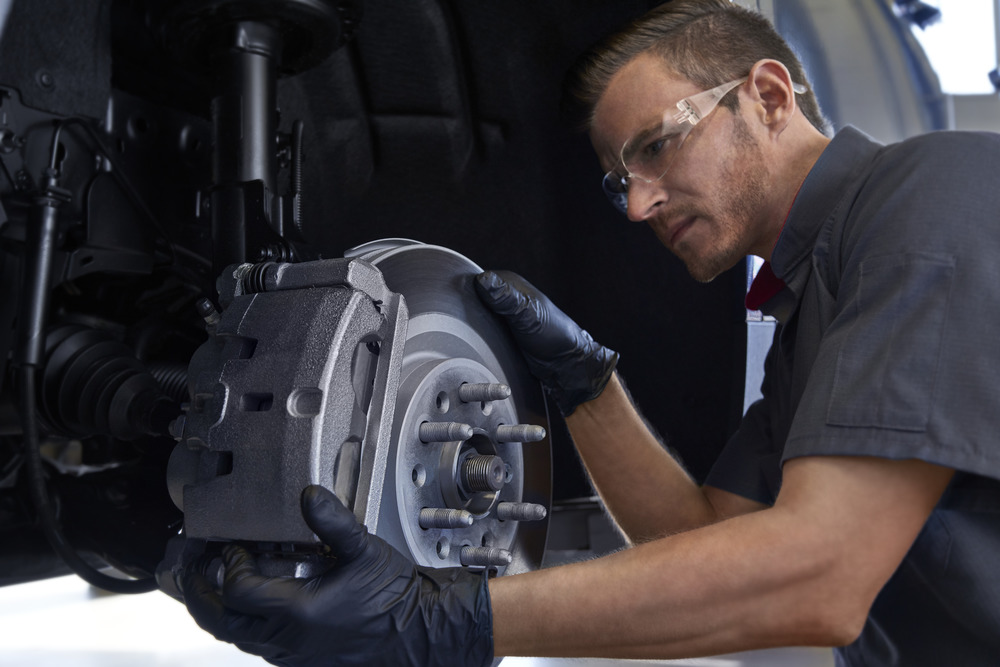
If your steering wheel starts shaking every time you press the brake pedal, your Chevrolet is trying to tell you something. Brake vibration is one of the most common complaints drivers experience, and while it can range from a minor issue to a more significant repair, it’s never something you should ignore. Knowing what causes the vibration—and when to have it inspected—can help you avoid more expensive repairs while keeping your vehicle stopping safely.
Brake Rotors Are Often the Culprit
The most common cause of brake vibration is uneven brake rotors. Every time you slow down, the brake pads clamp against the rotors to create friction. After thousands of heating and cooling cycles, the rotor surface can develop thickness variation or uneven wear.
When that happens, the brake pads no longer make smooth, consistent contact. Instead, they grab and release slightly as the wheel rotates, creating the pulsing sensation you feel through the brake pedal and steering wheel. Heavy braking, repeated mountain driving, towing, or prolonged stop-and-go traffic can all accelerate rotor wear.
Brake Pads Can Also Cause Vibration
Brake pads naturally wear over time, but uneven wear can create additional problems. Pads that have become glazed from excessive heat or worn at different rates may not contact the rotor evenly, leading to vibration during braking.
In many cases, worn brake pads and worn rotors go hand in hand, which is why technicians typically inspect both components during the same service visit. Replacing brake pads before they’re completely worn can sometimes help prevent more costly rotor damage.
Sometimes the Problem Isn’t the Brakes
Although the brake system is usually responsible, it’s not the only possibility. Loose suspension components, worn steering parts, damaged wheel bearings, or improperly balanced wheels can also create vibrations that become more noticeable while braking. A professional inspection helps identify the true cause instead of replacing parts that aren’t causing the problem.
Don’t Ignore the Warning Signs
If the steering wheel shakes only when braking, the vibration is getting worse, or you notice squealing, grinding, or your vehicle pulling to one side, it’s time to schedule service. Continuing to drive with brake problems can increase stopping distances, accelerate wear on other brake components, and lead to more extensive repairs later. Addressing the issue early is almost always less expensive than waiting until additional parts become damaged.
What Happens During a Brake Inspection?
A Chevrolet-certified technician will inspect the entire braking system, including brake pad thickness, rotor condition, caliper operation, brake hardware, and brake fluid. Rotor thickness and runout are measured to determine whether the rotors can be resurfaced or should be replaced. If replacement is necessary, new brake pads are often installed at the same time to promote even wear and consistent braking performance. The inspection also helps identify any suspension or steering components that may be contributing to the vibration.
Schedule Chevrolet Brake Service in North Huntingdon, PA
If your steering wheel shakes when you brake, don’t wait for the problem to become more serious. The service team at Riverview Chevrolet North Huntingdon can inspect your braking system, identify the cause of the vibration, and recommend the repairs needed to restore smooth, confident stopping performance. Schedule your brake inspection today and keep your Chevrolet performing the way it was engineered to.

