


RIVERVIEW CHEVROLET (North Huntingdon)

Blog / GM Certified Service

Why Does My Chevy Say "Service Brake Assist"? Common Causes, Brake Pedal Problems, and When to Schedule Service

Chevy Brake Service in North Huntingdon, PA

If your Chevrolet displays a "Service Brake Assist" warning, the vehicle may have detected a problem affecting its power brake assistance. Depending on the model and the fault, you might notice a stiff brake pedal, increased braking effort, or a longer stopping distance. Possible causes include brake booster problems, faulty pressure or vacuum sensors, electrical issues, or a malfunction involving the brake control system. A Chevy Service Brake Assist warning should be taken seriously even if the vehicle initially seems to stop normally. If braking performance changes, carefully stop in a safe location and arrange roadside assistance rather than continuing to drive.

For Chevrolet owners around North Huntingdon, Irwin, North Versailles, Greensburg, and Monroeville, reliable braking is essential when traveling along Route 30, navigating local hills, or encountering Western Pennsylvania's changing weather. Understanding what the warning means can help you recognize serious symptoms, avoid unsafe troubleshooting, and determine when your vehicle needs professional brake diagnostics at Riverview Chevrolet.

Quick Answer: What Does "Service Brake Assist" Mean on a Chevy?

The "Service Brake Assist" message generally indicates that your Chevrolet has detected a problem involving the system that assists the driver in applying the brakes. Depending on the vehicle, the system may use vacuum assistance, electronic brake boosting, sensors, and control modules.

A malfunction can increase the amount of force required at the brake pedal. In some cases, stopping distances may also increase.

What should you do? Stop safely, review any additional brake warnings, and contact a qualified service professional. If the pedal feels unusually hard or soft, braking is reduced, or the red brake warning remains illuminated, arrange towing rather than attempting to drive to a service appointment.

What Is Brake Assist on a Chevrolet?

Your Chevrolet's braking system includes several components that work together to slow or stop the vehicle. These may include brake pads, rotors, calipers, hydraulic components, a brake booster, sensors, and electronic control systems.

Power brake assistance helps reduce the physical effort needed to apply the brakes. Without sufficient assistance, a driver may need to push considerably harder on the pedal to achieve the same braking response.

The type of assistance varies depending on the model and year. Some Chevrolet vehicles use conventional vacuum-assisted brake boosters, while others use electronically controlled brake boost systems.

Is Brake Assist the Same as ABS?

No. The Antilock Brake System, or ABS, helps manage wheel lockup during certain braking situations. Brake boost provides assistance to the driver's normal braking effort.

The two systems may interact through vehicle electronics, but they perform different functions.

An ABS warning does not automatically mean the brake booster has failed, just as a Service Brake Assist message does not necessarily indicate an ABS problem.

Is Brake Assist the Same as Automatic Emergency Braking?

No. Automatic Emergency Braking is a separate driver-assistance technology designed to help reduce or avoid certain forward collisions when its operating conditions are met.

The Service Brake Assist message generally relates to braking assistance or the brake boost system rather than simply indicating that Automatic Emergency Braking is temporarily unavailable.

Some models also describe an emergency Brake Assist function that supplements driver braking during rapid pedal application. The exact relationship between these functions depends on the vehicle's braking architecture.

What Causes the Chevy Service Brake Assist Warning?

Several different components may contribute to a brake-assist fault. The warning itself does not identify a single failed part, which is why vehicle-specific diagnostics are important.

1. Brake Booster Problems

A brake booster helps reduce the amount of pressure a driver must apply to the brake pedal.

If the booster cannot supply the expected assistance, the pedal may become noticeably harder to push.

Depending on the vehicle, a booster-related problem might involve internal components, a vacuum supply issue, an electric brake boost mechanism, or another supporting system.

A technician must determine whether the booster itself is malfunctioning or whether the problem originates in another component.

2. Brake Vacuum or Pressure Sensor Problems

Certain Chevrolet brake-assist systems use sensors to monitor vacuum, pressure, or other operating conditions.

These readings help the control system determine whether the expected braking assistance is available.

If a sensor sends an inaccurate signal, the system may detect a fault and display a warning.

However, an unexpected sensor reading can also result from damaged wiring or an actual problem within the system being monitored. Replacing a sensor without testing the related components may not resolve the concern.

3. Electrical Connections and Wiring Faults

Modern Chevrolet braking systems often rely on electrical communication between sensors, control modules, and brake-assist equipment.

Damaged wiring, loose connectors, poor electrical grounds, or voltage-related issues may interfere with that communication.

In some cases, an intermittent electrical problem may cause the warning to appear during one trip and disappear during another.

That does not mean the problem has corrected itself. A professional inspection may be necessary to identify an intermittent circuit fault.

4. Electronic Brake Control Module Issues

Depending on the Chevrolet model, a brake system control module may monitor sensors, hydraulic functions, and electronically assisted braking components.

When the module detects unexpected behavior, it may store a diagnostic trouble code and request a dashboard warning.

The fault could involve the control module, a connected component, a wiring circuit, or another condition affecting the system.

A diagnostic trouble code helps narrow the investigation, but additional tests are often required before identifying the actual cause.

5. Vehicle-Specific Software or Calibration Problems

General Motors has documented certain brake-assist concerns involving software or control-system calibration on specific Chevrolet models and production years.

Some of these concerns may be addressed through manufacturer-approved diagnostic or programming procedures.

However, not every Service Brake Assist warning is caused by a software problem, and a bulletin for one vehicle does not automatically apply to another.

A technician should check the vehicle's VIN, relevant diagnostic trouble codes, and current GM service information to determine whether an applicable procedure exists.

6. Other Brake System Malfunctions

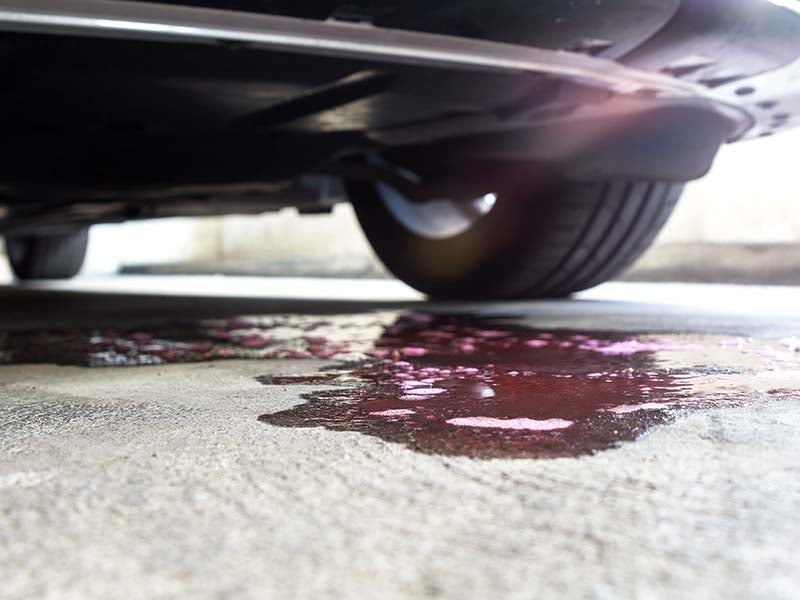
Hydraulic braking problems, fluid leaks, or faults involving other brake components may cause additional dashboard warnings or abnormal pedal behavior.

These issues are not necessarily the cause of the Service Brake Assist message, but they must be considered when a driver reports unusual stopping performance.

For example, a soft brake pedal may suggest a different problem from a hard pedal caused by reduced power assistance.

Because braking is safety-critical, the entire set of symptoms should be considered rather than focusing on one warning message alone.

Service Brake Assist Warning: Common Symptoms and What They Mean

The symptoms accompanying a warning can help a technician understand what happened. Some indicate a possible loss of brake assistance, while others may point to additional braking system concerns.

Symptom or Warning Possible Explanation Recommended Response
Service Brake Assist message Possible brake boost or brake-assist system fault Stop safely and contact Chevrolet service for guidance and diagnosis.
Hard or stiff brake pedal Reduced power brake assistance Stop carefully and arrange qualified roadside assistance.
Longer stopping distance Possible reduction in braking effectiveness or assistance Do not continue driving; arrange towing.
Soft or sinking brake pedal Possible hydraulic brake issue or another serious fault Stop safely and have the vehicle towed.
Unusual pedal pulsation Could involve normal ABS activity or abnormal braking system behavior If new, persistent, or paired with warnings, arrange an inspection.
ABS warning A fault involving the anti-lock braking system may be present Follow the owner's manual and have the system evaluated promptly.
Red brake system warning stays on Potential regular braking system problem Stop carefully and arrange towing if the warning remains illuminated.
Warning disappears after restart Possible intermittent condition or temporarily inactive fault Do not assume the system is repaired; contact service for evaluation.

These symptoms can have more than one explanation. Only vehicle-specific inspection and diagnostic testing can determine the actual problem.

Why Does My Chevy Brake Pedal Suddenly Feel Hard?

A sudden increase in brake pedal effort can indicate that the vehicle is no longer receiving its normal level of power brake assistance.

The regular braking components may still provide some stopping ability, but the driver may need to apply substantially more force to the pedal.

Chevrolet's owner documentation warns that certain brake boost faults can cause a harder pedal and increased stopping distance.

If this happens while driving, reduce speed carefully, find a safe place to stop, and arrange assistance.

Do not test whether the condition improves by repeatedly accelerating and braking on public roads.

What Does Brake Pedal Pulsation Mean?

Brief brake pedal pulsation can occur when ABS activates during certain hard-braking or low-traction conditions.

Some Chevrolet brake-assist functions may also produce temporary pedal movement or noise during emergency braking.

However, repeated pulsation during ordinary braking, especially when accompanied by a Service Brake Assist warning, should be evaluated.

A technician may need to investigate the braking system's electronic controls, hydraulic functions, or mechanical components to determine the cause.

A new vibration or pulsation should not automatically be dismissed as normal ABS operation.

Can You Drive a Chevy With the Service Brake Assist Warning On?

You should not assume your Chevrolet is safe to continue driving simply because it still moves and the brake pedal responds.

The warning may indicate reduced braking assistance, which can affect the force needed to stop the vehicle.

If the warning appears without noticeable symptoms, stop safely, review the owner's manual, and contact a qualified service professional before continuing normal use.

If the pedal has changed, the vehicle stops less effectively, or additional serious brake warnings appear, arrange towing rather than driving to an appointment.

When Should You Stop Driving Immediately?

Stop as soon as you can do so safely if any of the following occurs:

  • The brake pedal suddenly becomes much harder to press.
  • The vehicle takes noticeably longer to stop.
  • The pedal feels unusually soft or sinks farther than normal.
  • The vehicle pulls severely or behaves unpredictably during braking.
  • A red brake system warning stays illuminated.
  • There is an apparent brake fluid leak or another serious braking concern.

Use the safest available location to bring the vehicle to a stop. Avoid unnecessary driving and arrange towing or roadside assistance.

If the vehicle cannot be controlled or stopped safely, contact emergency services as appropriate.

Do not attempt to drive a vehicle with significantly reduced braking performance to Riverview Chevrolet or any other repair facility.

Why Brake Assist Problems Matter Around North Huntingdon

Western Pennsylvania includes hills, curves, busy commercial corridors, and changing road surfaces. When your vehicle's normal braking response is uncertain, these conditions can increase the risks associated with continuing to drive.

Route 30 and North Huntingdon Traffic

Drivers traveling along Route 30 through North Huntingdon may encounter changing traffic speeds, busy intersections, and frequent stops.

Predictable brake pedal response is especially important when surrounding traffic slows unexpectedly.

If your Chevrolet develops a Service Brake Assist warning and the brakes respond differently, pull over carefully when safe and arrange assistance.

Commuting Around Irwin

Daily driving around Irwin may include local hills, neighborhood streets, and regional highway connections.

A reduced brake-assist condition can make it more difficult to slow the vehicle as expected, particularly when greater braking force is required.

An unresolved brake-assist warning should be evaluated before relying on the vehicle for routine commuting.

Driving Through North Versailles and Monroeville

Drivers traveling through North Versailles and Monroeville may regularly encounter traffic congestion, intersections, and highway travel.

A change in pedal feel or stopping distance can become particularly concerning when traffic requires sudden deceleration.

Do not wait for the warning to appear repeatedly if you have already experienced reduced braking performance.

Greensburg and Winter Road Conditions

Snow, ice, rain, and slush can reduce tire traction on roads around Greensburg and other Western Pennsylvania communities.

Even a properly functioning braking system requires additional stopping distance when road conditions are slippery.

If your vehicle also has reduced brake assistance, you may be dealing with an additional safety concern.

Appropriate tires and careful driving are important, but neither can repair an underlying brake boost malfunction.

What Should You Do When Your Chevrolet Says Service Brake Assist?

Your first priority should be safety rather than trying to determine which component caused the warning.

  1. Find a safe place to stop. If the warning appears while driving, slow carefully and stop when you can do so safely.
  2. Check for additional brake warnings. Note whether the red brake light, ABS warning, or another braking message is displayed.
  3. Record the exact message. "Service Brake Assist," "Service Brake System," and other brake warnings may indicate different problems.
  4. Describe the brake pedal symptoms. Note whether the pedal felt unusually hard, soft, or different from normal before stopping.
  5. Do not perform road tests. Avoid driving to see whether the warning returns or whether the brakes feel better at a different speed.
  6. Contact Chevrolet Certified Service. Explain what happened and ask about the appropriate next steps for inspection or transportation.
  7. Arrange towing if braking is impaired. If stopping performance is reduced or serious warning indicators remain illuminated, do not attempt to drive to a dealership.

Avoid disconnecting the battery or clearing fault codes simply to remove the warning. Doing so may erase diagnostic information without correcting the problem.

How Do Chevrolet Technicians Diagnose Brake Assist Problems?

A professional brake-assist inspection begins with understanding the exact dashboard warning and the driver's description of how the vehicle behaved.

Depending on the model, technicians may use Chevrolet-approved diagnostic equipment and service information to evaluate several systems.

Diagnostic Trouble Codes

Vehicle control modules can store diagnostic trouble codes, commonly called DTCs, when unexpected conditions are detected.

These codes may help identify a problem involving brake boost, pressure sensing, electronic controls, electrical communication, or another monitored function.

However, a DTC usually provides a starting point for diagnosis rather than a guaranteed identification of a defective part.

Brake Booster and Assist System Inspection

Technicians may evaluate the brake booster and applicable vacuum or electric assist components to determine whether the expected assistance is available.

The procedure depends on whether the vehicle uses a conventional vacuum booster, an electronic brake boost system, or another braking configuration.

Sensor and Electrical Testing

Where indicated by the fault information, technicians may check pressure sensors, wiring, electrical grounds, connectors, and related control signals.

This helps distinguish between a faulty component and a circuit problem that creates similar symptoms.

Hydraulic Brake System Evaluation

If symptoms suggest a broader braking issue, the inspection may also include brake fluid condition, hydraulic components, and other related parts.

A soft or sinking pedal, for example, may require a different diagnostic approach from a hard pedal associated with reduced booster assistance.

Manufacturer Service Information

Technicians may also review applicable GM technical service information, software updates, or vehicle-specific service procedures.

Because procedures vary by model year and equipment, the correct diagnosis should be based on the vehicle's specific configuration and test results.

Does Service Brake Assist Mean You Need a New Brake Booster?

Not automatically. Although a failed brake booster can cause reduced assistance, other issues may produce a similar warning.

For example, a pressure sensor problem, damaged wiring, electronic control fault, or another related issue may interfere with the system.

The proper repair depends on confirming what caused the warning.

Replacing an expensive component without completing the necessary tests can leave the underlying issue unresolved.

Can New Brake Pads Fix a Service Brake Assist Warning?

Replacing brake pads does not necessarily resolve a brake-assist problem.

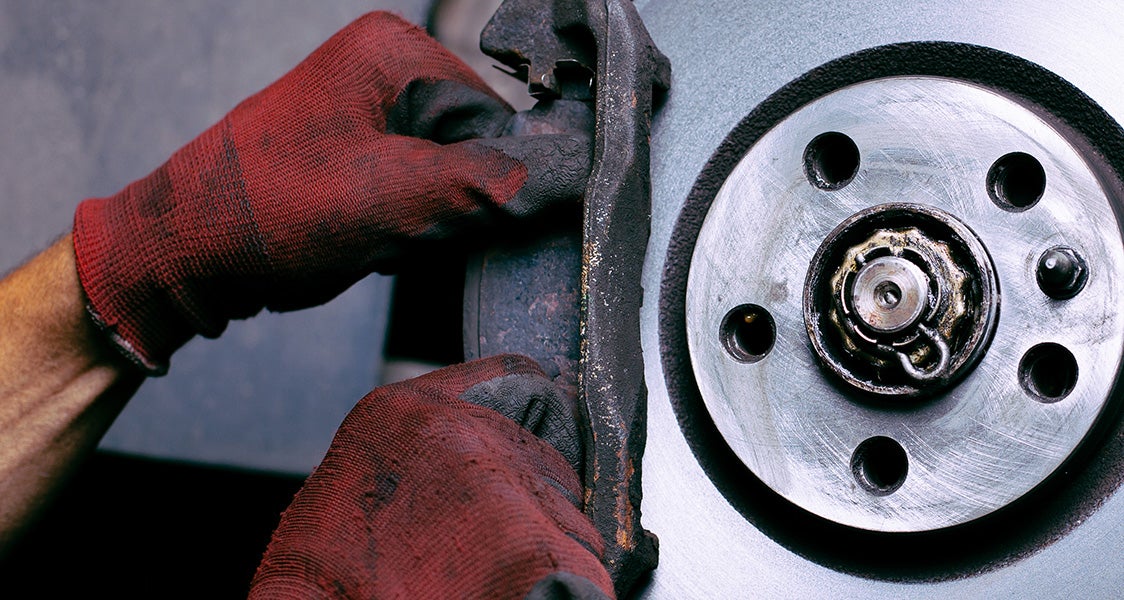
Brake pads and rotors are friction components that slow the wheels. Brake boost equipment helps provide the assistance needed for the driver to operate the brakes.

Worn pads should be replaced when inspection confirms replacement is necessary, but pad wear is not automatically the cause of a Service Brake Assist message.

A diagnostic inspection can help distinguish ordinary brake maintenance needs from a problem involving the booster, sensors, or electronic controls.

Riverview Chevrolet offers Certified Brake Service for drivers who need brake inspections, brake component replacement, or help investigating unusual braking symptoms.

Why Does the Service Brake Assist Warning Come and Go?

Some electronic or sensor-related faults are intermittent, so a warning may appear during one trip and disappear during another.

A restart may also cause the message to disappear temporarily.

However, the absence of the message does not prove that the braking system is operating correctly.

Fault information may remain stored in a control module, which can help technicians identify the concern.

If the warning has appeared, especially with abnormal braking symptoms, contact a qualified service professional rather than repeatedly driving until it returns.

When Should You Schedule Chevrolet Brake Service?

Contact Riverview Chevrolet for Chevrolet brake diagnostics in North Huntingdon, PA if you experience:

  • A Service Brake Assist message that stays illuminated or returns.
  • A brake pedal that requires more force than normal.
  • Changes in how quickly or smoothly the vehicle stops.
  • Unusual pedal feedback or persistent pulsation.
  • Additional ABS or brake system warnings.
  • A brake warning following a recent electrical or brake system issue.
  • Questions about a vehicle-specific brake system fault or diagnostic code.

For vehicles with serious braking symptoms, the priority is safely stopping and arranging assistance, not driving to a routine appointment.

The Riverview Chevrolet Certified Service Department provides maintenance and repair support for Chevrolet cars, trucks, and SUVs throughout North Huntingdon and neighboring communities.

Frequently Asked Questions About Chevy Service Brake Assist Warnings

What does Service Brake Assist mean on a Chevrolet?

It generally means the vehicle has detected a problem involving its brake boost or brake-assist system. Depending on the fault, the brake pedal may require greater force and stopping distances may increase. Professional diagnosis is needed to identify the cause.

Can I drive with the Chevy Service Brake Assist warning?

You should not assume the vehicle is safe to drive. Stop safely, consult the owner's manual, and contact a qualified service professional. If the pedal feels abnormal, braking performance is reduced, or a persistent red brake warning appears, arrange towing rather than continuing to drive.

Why is my Chevy brake pedal suddenly hard?

A hard brake pedal may indicate reduced power brake assistance. This can require substantially more pedal force to slow the vehicle. Stop safely and arrange professional evaluation rather than continuing to drive.

Can a bad brake booster cause the Service Brake Assist message?

Yes. A brake booster or related assist component may cause the warning. However, sensor faults, electrical issues, and brake control problems can create similar symptoms. The booster should be tested before replacement.

Is Service Brake Assist the same as Service Brake System?

No. These messages can indicate different concerns. Service Brake Assist generally relates to the brake-assist or boost function, while other brake system warnings may involve additional hydraulic or electronic braking faults. Follow the vehicle's specific instructions for each warning.

Can a faulty sensor trigger Service Brake Assist?

Yes. Certain Chevrolet braking systems monitor pressure, vacuum, or other operating information. A faulty sensor or electrical circuit may trigger a warning, but testing is required to identify the actual problem.

Will replacing brake pads turn off the warning?

Not necessarily. Service Brake Assist may involve the brake booster, sensors, or electronic controls rather than normal brake pad wear. A technician should identify the problem before recommending repairs.

Why did my Service Brake Assist warning disappear?

The problem may be intermittent, or the system may no longer detect the fault under the current conditions. The warning disappearing does not prove the brakes are repaired. Contact a service professional for evaluation.

Can Service Brake Assist cause longer stopping distances?

Yes. Chevrolet's owner documentation explains that certain brake boost faults can make the pedal harder to press and increase stopping distance. If braking effectiveness changes, stop safely and arrange assistance.

Does the Service Brake Assist warning mean my brakes have failed completely?

Not necessarily. Some faults reduce power assistance while leaving some braking capability available. However, the warning alone cannot establish how much braking assistance remains. Do not rely on the vehicle's usual stopping performance until the concern has been evaluated.

Where can I get Chevrolet brake diagnostics near North Huntingdon, PA?

Riverview Chevrolet provides Certified Brake Service for drivers from North Huntingdon, Irwin, North Versailles, Greensburg, Monroeville, and nearby communities. You can request a service appointment online or call 412-271-3100. If your brakes are not functioning normally, arrange towing rather than driving to the dealership.

Schedule Chevrolet Brake Diagnostics at Riverview Chevrolet of North Huntingdon

A Service Brake Assist warning can be concerning because it involves a system that helps drivers slow and stop their vehicles.

The message may indicate a problem with brake boosting, sensors, electronic controls, or related components. Since several different faults can produce similar symptoms, the appropriate repair begins with accurate diagnostics.

Riverview Chevrolet's Certified Service team provides brake inspection and repair support for Chevrolet owners throughout North Huntingdon, Irwin, North Versailles, Greensburg, Monroeville, and surrounding Western Pennsylvania communities.

When contacting our team, provide your Chevrolet's model year, the exact warning message, and any unusual pedal behavior. It can also help to mention whether the warning appeared with an ABS light or another brake system indicator.

You can review our Chevrolet brake service information or check current service and parts specials for applicable maintenance offers.

If your Chevrolet has reduced braking performance, please arrange qualified roadside assistance or towing instead of driving it to the dealership.

This article provides general educational information and is not a substitute for professional brake diagnosis or the vehicle owner's manual. Brake-assist systems, warning messages, and repair procedures vary by Chevrolet model, model year, and equipment. A Service Brake Assist warning can indicate a safety-critical condition. If braking performance changes, the brake pedal feels abnormal, or a serious brake system warning persists, stop safely and arrange qualified roadside assistance or towing. Do not continue driving a vehicle with unsafe braking performance.

Posted in:

Related Posts

Chevrolet Tahoe

2027 Chevrolet Tahoe Premier vs. High Country: Comparing V8 Performance, Interior Luxury, Technology, and Everyday Driving

The 2027 Chevrolet Tahoe Premier and High Country deliver two different levels of premium full-size SUV driving. The Premier provides an upscale interior with heated and ventilated front seats, heated second-row captain's chairs, a Bose 10-speaker audio system, and available Super Cruise hands-free driver assistance. The High Country adds a standard 420-horsepower 6.2L V8 engine, standard four-wheel drive, Magnetic Ride Control, a 15-inch Head-Up Display, and distinctive luxury materials. When comparing the 2027 Chevy Tahoe Premier vs. High Country, both offer three-row seating, generous cargo space, and modern Chevrolet technology. The biggest differences involve standard powertrain equipment, interior finishes, and premium convenience features. Shop New Chevy Tahoe Inventory Schedule a Tahoe Test Drive For drivers around North Huntingdon, Irwin, Greensburg, and Monroeville, choosing between these 2027 Chevrolet Tahoe trim levels depends on your daily routine. The Premier offers many of the comfort and technology features families want without requiring the High Country's additional equipment. The High Country may appeal to drivers who want stronger standard V8 performance, distinctive styling, and a more extensively equipped cabin. Here's how the two compare for commuting, family transportation, winter driving, and weekend travel throughout Western Pennsylvania. 2027 Chevrolet Tahoe Premier vs. High Country: Key Differences The Premier and High Country share the Tahoe's full-size SUV platform, passenger dimensions, and maximum cargo volume. However, Chevrolet equips these trims differently, especially when it comes to standard engines, drivetrain availability, suspension technology, and interior appointments. Feature 2027 Tahoe Premier 2027 Tahoe High Country Primary Focus Premium comfort and everyday family versatility Flagship luxury and stronger standard performance Standard Engine 5.3L EcoTec3 V8 6.2L EcoTec3 V8 Standard Horsepower 355 hp 420 hp Standard Torque 383 lb-ft 460 lb-ft Additional Engine Options Available 6.2L V8 or 3.0L Duramax turbo-diesel Available 3.0L Duramax turbo-diesel Transmission 10-speed automatic 10-speed automatic Drivetrain Rear-wheel drive or available 4WD Standard 4WD Suspension Magnetic Ride Control on applicable 4WD configurations Magnetic Ride Control standard; Four-Corner Air Ride Adaptive Suspension available Wheels 20-inch wheels standard 22-inch wheels standard; available 24-inch wheels Front Seating Heated and ventilated front seats Heated and ventilated front seats with upgraded interior appointments Second-Row Seating Heated captain's chairs Heated captain's chairs Bose Audio 10-speaker Centerpoint Surround Sound system 10-speaker Centerpoint Surround Sound system Super Cruise Available Available Head-Up Display Available with applicable equipment 15-inch diagonal display standard Rear Camera Mirror Available with applicable equipment Standard Infotainment Screen 17.7-inch diagonal touchscreen 17.7-inch diagonal touchscreen Seating Three rows; seven-passenger configuration Three rows; seven-passenger configuration Maximum Cargo Space 122.7 cu. ft. 122.7 cu. ft. The High Country offers more standard horsepower, standard 4WD, and several additional luxury features. However, the Premier already includes much of the comfort and infotainment equipment shoppers expect from a premium Tahoe. Quick Answer: Is the Tahoe Premier or High Country Better? Choose the 2027 Chevrolet Tahoe Premier if you want a premium three-row SUV with heated and ventilated front seats, Bose audio, available Super Cruise, and the flexibility to choose between rear-wheel drive and 4WD. It offers substantial comfort and technology without requiring the High Country upgrade. Choose the 2027 Chevrolet Tahoe High Country if you want the 420-horsepower 6.2L V8 and 4WD included as standard, along with a Head-Up Display, Rear Camera Mirror, distinct exterior styling, real wood interior accents, and available adaptive air suspension. Both offer the same basic passenger space and cargo versatility. If the Premier already includes the features you use most, it may be the more practical value. Engine Performance: How Much More Powerful Is the Tahoe High Country? One of the clearest differences between the Premier and High Country is the engine included as standard equipment. The Premier comes with Chevrolet's 5.3-liter EcoTec3 V8 engine, producing 355 horsepower and 383 lb-ft of torque. The High Country comes standard with the larger 6.2-liter EcoTec3 V8, producing 420 horsepower and 460 lb-ft of torque. That gives the High Country an additional 65 horsepower and 77 lb-ft of torque compared with the standard Premier. 2027 Tahoe Premier: 5.3L V8 Performance The Premier's standard 5.3L V8 offers substantial power for everyday driving, highway merging, and transporting passengers and cargo. Paired with a 10-speed automatic transmission, the engine provides the familiar performance many full-size SUV shoppers want. Drivers primarily using their Tahoe for commuting around North Huntingdon, running errands, and taking occasional family road trips may find this engine provides the performance they need. Another consideration is fuel type. Chevrolet recommends regular 87-octane gasoline for the 5.3L V8, which may appeal to drivers comparing long-term operating costs. 2027 Tahoe High Country: Standard 6.2L V8 The High Country's 6.2L V8 delivers stronger rated horsepower and torque. This additional output may be appealing when accelerating onto highways, traveling with a full cabin, or managing certain loaded driving situations. The 6.2L engine also uses Chevrolet's Dynamic Fuel Management technology. Chevrolet recommends premium 91-octane gasoline for the 6.2L V8. Buyers should consider this fuel recommendation when comparing ownership costs with a standard 5.3L-equipped Premier. Can You Get the 6.2L V8 in the Premier? Yes. The 2027 Tahoe Premier offers the 6.2L EcoTec3 V8 as an available engine. This is an important point for shoppers who like the Premier's equipment and price positioning but want additional engine power. A properly equipped Premier with the optional 6.2L V8 produces the same rated 420 horsepower as the standard gasoline High Country. The High Country still includes additional standard luxury and technology features, but buyers do not have to choose that trim exclusively to get the larger V8. What About the Available Duramax Diesel? Both the Premier and High Country offer the available 3.0L Duramax turbo-diesel engine, producing 305 horsepower and 495 lb-ft of torque. Its strong torque output and highway efficiency may appeal to drivers who cover substantial mileage or want an alternative to gasoline V8 performance. Chevrolet advertises up to 624 miles of EPA-estimated highway driving range for appropriately equipped Tahoe models with the diesel engine. Actual range varies with configuration and driving conditions. If you're considering the diesel, compare the engine's driving characteristics, fuel requirements, maintenance needs, and the equipment included on each vehicle. Ride Quality: Does the Tahoe High Country Have a Better Suspension? Ride comfort matters when choosing a full-size SUV for everyday transportation. Both the Premier and High Country offer suspension technology designed to help manage changing road conditions, but their standard configurations differ. Premier Suspension and Driving Comfort The 2027 Tahoe Premier offers Magnetic Ride Control on applicable 4WD configurations. This system uses electronically controlled dampers to adjust suspension response as driving conditions change. The goal is to help balance ride comfort and vehicle control, particularly when traveling over changing pavement surfaces. Buyers interested in this feature should confirm that the specific Premier they're considering includes it, rather than assuming every rear-wheel-drive and four-wheel-drive configuration has identical suspension equipment. High Country Magnetic Ride Control The High Country includes Magnetic Ride Control as standard equipment. Combined with its suspension tuning and premium equipment, the system supports the High Country's luxury-focused driving experience. The High Country also offers Four-Corner Air Ride Adaptive Suspension, which provides adjustable ride-height capability on appropriately equipped vehicles. This feature can be useful for certain loading, entry, and driving situations, subject to the system's operating limits. Do Larger Wheels Affect Ride Comfort? The Premier comes with 20-inch wheels, while the High Country includes 22-inch wheels and offers distinctive 24-inch wheels. Wheel and tire size can influence ride firmness, road noise, and the way impacts are felt inside the cabin. Larger wheels may create a more striking appearance, but they do not automatically guarantee a smoother ride. For Western Pennsylvania drivers who regularly encounter patched pavement, uneven roads, or winter potholes, comparing actual wheel and suspension configurations during a test drive is especially worthwhile. Interior Luxury: What Does the High Country Add Over the Premier? Both trims provide upscale interiors, comfortable seating, and a wide range of convenience features. The distinction is that the Premier already offers substantial premium equipment, while the High Country introduces more exclusive finishes and additional standard technology. 2027 Chevrolet Tahoe Premier Interior The Tahoe Premier includes perforated leather-appointed seating surfaces, heated and ventilated front seats, and heated second-row bucket seats. It also features a Power Sliding Center Console that can provide additional flexibility for accessing storage between the front seats. The Premier's Bose Centerpoint Surround Sound 10-speaker system provides a premium audio experience for commuting and family travel. Uplevel LED exterior lighting with animated elements adds another distinctive appearance and convenience feature. For shoppers who want luxury seating and a modern cabin without necessarily purchasing the most expensive Tahoe trim, the Premier already offers a well-equipped experience. 2027 Chevrolet Tahoe High Country Interior The High Country builds on the Tahoe's premium equipment with trim-specific interior stitching, badging, sill plates, and real wood décor. These details create a different cabin appearance from the Premier rather than simply adding another row of seating or a larger touchscreen. The High Country also includes a standard Rear Camera Mirror and a 15-inch diagonal Head-Up Display, providing additional ways for drivers to view relevant information. Its distinct finishes and expanded standard equipment may appeal to buyers who want a more exclusive flagship interior. Do Both Tahoe Trims Have Heated and Ventilated Seats? Yes. Both the Premier and High Country include heated and ventilated front seats, along with heated second-row captain's chairs. That means you do not need to upgrade to the High Country simply to receive these comfort features. During cold Pennsylvania winters, heated second-row seating can be particularly useful for families transporting passengers regularly. Ventilated front seats can also provide additional comfort during warmer weather. Technology Comparison: Premier vs. High Country Both Tahoe trims include Chevrolet's 17.7-inch diagonal infotainment touchscreen and an 11-inch Driver Information Center. The infotainment system supports Google built-in technology, along with compatible smartphone connectivity and available connected services. Since both trims offer the same main touchscreen size, the High Country's technology advantage comes primarily from additional standard equipment and available packages. Bose 10-Speaker Audio System The Premier and High Country both include the Bose Centerpoint Surround Sound 10-speaker system. Shoppers comparing the two should not assume that moving to the High Country automatically provides a larger speaker count. Both offer premium audio for passengers throughout the cabin. 15-Inch Head-Up Display The High Country includes a 15-inch diagonal Head-Up Display as standard equipment. This system projects selected driving information into the driver's forward field of view, helping reduce the need to look down at the instrument panel for certain information. The feature may be particularly appealing to drivers who spend considerable time traveling on I-76, Route 30, or other regional highways. A Head-Up Display is also available on appropriately equipped Premier models, so buyers should compare the actual technology packages included on each vehicle. Rear Camera Mirror The High Country also comes standard with a Rear Camera Mirror, which can provide a camera-based view of the area behind the vehicle. This may be useful when passengers or cargo make conventional rearward visibility more challenging. A Rear Camera Mirror is not a substitute for checking mirrors, blind spots, or the surrounding environment. Rear-Seat Entertainment Options Families who frequently take longer road trips may want to consider available rear-seat entertainment equipment. For 2027, the High Country offers an available Technology and Entertainment Package with rear-seat media equipment. The Premier can also be configured with available rear-seat media equipment, but package requirements differ. Shoppers should review the window sticker to confirm which entertainment features are installed rather than assume they are standard on either trim. Is Super Cruise Available on the Tahoe Premier and High Country? Yes. Super Cruise hands-free driver assistance is available on appropriately equipped 2027 Tahoe Premier and High Country models. The feature can provide hands-free steering assistance on compatible mapped roads when the required operating conditions are met. Super Cruise also offers available trailering-related functionality, which can adjust following distance when the system detects an attached trailer under supported conditions. However, Super Cruise is not standard on every Premier or High Country. Equipment and connected-service requirements must be confirmed for each vehicle. Would Super Cruise Be Useful Around Western Pennsylvania? For drivers who regularly commute on compatible highway segments around North Huntingdon, Monroeville, and the greater Pittsburgh region, Super Cruise may offer additional convenience. However, not every highway, interchange, or road segment supports the feature. Weather, construction, poor lane visibility, and other operating conditions can also prevent activation. Super Cruise is a driver-assistance system, not autonomous driving. Drivers must remain attentive and be ready to take control immediately. Compare Tahoe Premier and High Country Models at Riverview Chevrolet Interested in the Premier's premium comfort or the High Country's standard 6.2L V8 and upgraded technology? Explore available Chevrolet Tahoe SUVs at Riverview Chevrolet of North Huntingdon to compare engines, drivetrain configurations, interior equipment, and available packages. Browse New Tahoe Inventory Request a Tahoe Test Drive Four-Wheel Drive: Which Tahoe Is Better for Pennsylvania Winters? The 2027 Tahoe Premier is available with rear-wheel drive or four-wheel drive. The High Country comes standard with 4WD for the 2027 model year. This makes the High Country an appealing option for shoppers who want four-wheel drive without selecting an additional drivetrain configuration. However, a properly equipped 4WD Premier can also provide additional traction when driving in suitable slippery or low-grip conditions. Does the High Country Have Better Snow Traction? The High Country's standard 4WD is useful equipment, but it does not automatically make it safer in every winter driving situation than a Premier equipped with 4WD. Tires, pavement conditions, driving speed, and the selected four-wheel-drive mode all affect traction. Larger wheels and different tire options can also influence winter performance, so comparing the tires on actual vehicles is important. If snow and icy roads are common concerns, consider whether dedicated winter tires are appropriate for your driving routine. Four-wheel drive can help with acceleration on certain slippery surfaces, but it does not eliminate sliding or shorten braking distances on ice. Three-Row Seating: Does the High Country Have More Passenger Space? No. The Premier and High Country use the same Tahoe body platform, so the High Country does not offer additional overall passenger space simply because it is positioned higher in the lineup. Both come with second-row captain's chairs, creating a seven-passenger configuration across three rows. This arrangement provides a passage between the second-row seats, which can be convenient when passengers need to access the third row. For families with children, sports equipment, or frequent passengers, the third row can offer useful flexibility. Before purchasing, compare car-seat placement, second-row access, and third-row comfort using the specific Tahoe configuration. Cargo Space: Premier vs. High Country Both the Premier and High Country offer up to 122.7 cubic feet of maximum cargo volume when the second and third rows are folded. That means the High Country does not provide a larger cargo area than the Premier. Both can accommodate luggage, shopping bags, recreational gear, and other family supplies, with cargo flexibility depending on which seats are in use. For a family traveling with seven passengers, the available cargo space behind the third row will be smaller than the maximum advertised volume. If you frequently carry both a full cabin and large amounts of cargo, consider measuring your equipment and evaluating whether the Tahoe's layout fits your needs. Towing Capability: Is the Tahoe High Country Better for Hauling? Both trims offer substantial towing capability, but the exact rating depends on the engine, drivetrain, trailering equipment, and loaded vehicle weight. Chevrolet advertises a maximum available towing capacity of up to 8,400 pounds for the 2027 Tahoe lineup. That is a model-line maximum, not the guaranteed rating of every Premier or High Country. The High Country's standard 6.2L V8 provides more horsepower and torque than the Premier's standard 5.3L V8. However, additional horsepower does not automatically mean a particular High Country has a higher tow rating than every Premier configuration. The available 3.0L Duramax diesel and different trailering packages may also influence which vehicle is best suited to a specific towing need. Available Trailering Technology Appropriately equipped Tahoe models offer trailering features such as an in-vehicle trailering app, multiple camera views, and hitch-related assistance. Available Super Cruise technology also supports certain trailering functions when the vehicle and road conditions meet its requirements. If you regularly tow a boat, utility trailer, or recreational equipment, ask Riverview Chevrolet to review the individual vehicle's towing rating, payload, and available trailering equipment. Trailer weight, tongue weight, passengers, and cargo must all be considered before towing. Which Tahoe Fits Everyday Driving Around Western Pennsylvania? North Huntingdon: Daily Commuting and Family Transportation Drivers around North Huntingdon may appreciate the Premier's standard heated and ventilated front seats, Bose audio, and spacious three-row interior. It delivers many desirable luxury features without requiring the High Country's standard 6.2L V8 or more exclusive interior finishes. Families who frequently travel with passengers or want more standard driver display technology may prefer the High Country. Irwin: Local Errands and Weekend Travel For drivers making regular trips around Irwin, the Premier may provide the best balance of comfort and everyday functionality. Its standard V8 offers substantial power, while available 4WD and technology packages allow buyers to tailor the SUV to their preferences. The High Country may be worth considering if the stronger engine and distinctive interior appointments are priorities. Greensburg: Winter Roads and Regional Driving Drivers around Greensburg may encounter a combination of city streets, regional highways, hills, and changing winter conditions. The High Country's standard 4WD can be appealing for drivers who want that drivetrain configuration included. However, a 4WD Premier can also provide useful traction capability, and tire choice remains important for both trims. Monroeville: Highway Commuting and Longer Trips Drivers commuting around Monroeville or traveling toward Pittsburgh may prioritize a comfortable cabin, clear driver displays, and available highway assistance technology. The High Country's Head-Up Display and Rear Camera Mirror may be valuable upgrades for these driving routines. A Premier equipped with available Super Cruise and other technology packages may also meet those needs while providing a different overall equipment and price combination. Weekend Travel Throughout Pennsylvania Both Tahoe trims offer the passenger space and cargo flexibility needed for many family road trips. If your trips frequently involve a fully loaded SUV or towing, comparing engine and vehicle-specific capability ratings is particularly important. If most travel involves paved roads, family activities, and ordinary luggage, the Premier may already provide everything you need. For drivers who prioritize luxury details and more extensive standard equipment, the High Country offers additional appeal. Is the 2027 Tahoe High Country Worth the Upgrade Over the Premier? The High Country may justify its higher purchase price for drivers who want the 6.2L V8, standard 4WD, upgraded interior finishes, and additional standard driver information technology. However, several features shoppers may associate with a top-of-the-line Tahoe are already included on the Premier. Both trims have heated and ventilated front seats, heated second-row captain's chairs, Bose 10-speaker audio, and the same large infotainment touchscreen. Both also offer available Super Cruise. If those are the features you care about most, you may not need to move to the High Country. Compare Similarly Equipped Vehicles Before deciding, compare actual vehicle configurations rather than just the trim names. For example, a Premier with the optional 6.2L V8, 4WD, and additional technology equipment may narrow the differences with a High Country. On the other hand, a High Country includes several upgrades as standard that might otherwise require selecting additional features on the Premier. Ask for a side-by-side comparison of the vehicles' window stickers, drivetrain equipment, available packages, and final purchase prices. Also consider insurance, gasoline requirements, tire replacement costs, and how long you expect to own the SUV. Should You Choose the 2027 Tahoe Premier or High Country? Choose the Tahoe Premier If You: Want a premium Tahoe without moving to the flagship trim. Prefer the standard 5.3L V8 for everyday driving. Want heated and ventilated front seats and heated second-row seating. Value the Bose 10-speaker audio system. Want available Super Cruise technology. Prefer the choice of rear-wheel drive or 4WD. Want to select upgrades based on your priorities. Choose the Tahoe High Country If You: Want the 420-horsepower 6.2L V8 as standard. Prefer standard four-wheel drive. Want Magnetic Ride Control and available adaptive air suspension. Value a standard 15-inch Head-Up Display. Want a standard Rear Camera Mirror. Prefer real wood décor and exclusive luxury finishes. Like the distinctive High Country exterior and available 24-inch wheels. Frequently Asked Questions About the 2027 Chevy Tahoe Premier and High Country What is the main difference between the 2027 Chevy Tahoe Premier and High Country? The Premier includes a 355-horsepower 5.3L V8, premium seating, Bose audio, and available Super Cruise. The High Country includes the 420-horsepower 6.2L V8 and 4WD as standard, along with Magnetic Ride Control, a Head-Up Display, Rear Camera Mirror, and distinctive luxury finishes. Does the 2027 Tahoe High Country have more horsepower? Yes, compared with the standard Premier. The High Country's standard 6.2L V8 produces 420 horsepower, while the Premier's standard 5.3L V8 produces 355 horsepower. However, the Premier can also be equipped with the available 420-horsepower 6.2L V8. Is four-wheel drive standard on the 2027 Tahoe High Country? Yes. For 2027, the Tahoe High Country comes standard with 4WD. The Premier is available with either rear-wheel drive or four-wheel drive. Does the 2027 Tahoe Premier have Magnetic Ride Control? Magnetic Ride Control is included on applicable Premier 4WD configurations. The High Country includes Magnetic Ride Control as standard equipment and offers Four-Corner Air Ride Adaptive Suspension. Confirm the suspension equipment on the specific vehicle before purchasing. Do the Premier and High Country both have heated and ventilated seats? Yes. Both include heated and ventilated front seats and heated second-row captain's chairs. The High Country adds more exclusive interior materials and standard technology features. Does the Tahoe High Country have a better sound system than the Premier? Both include the Bose Centerpoint Surround Sound 10-speaker system. The High Country's most notable additional features involve its engine, standard 4WD, interior finishes, and driver display technology rather than a higher standard speaker count. Is Super Cruise standard on the 2027 Tahoe High Country? No. Super Cruise is available on appropriately equipped High Country and Premier models. The technology requires supported roads, suitable driving conditions, and an eligible connected service. Check the equipment on the individual vehicle. Does the Tahoe Premier or High Country have more cargo space? Both offer up to 122.7 cubic feet of maximum cargo volume with the appropriate rear seats folded. The High Country does not provide additional cargo capacity over the Premier. How many passengers can the Tahoe Premier and High Country seat? Both feature three-row seating with standard second-row captain's chairs, creating seven-passenger seating configurations. Other Tahoe trims offer different seating arrangements. Can I get a diesel engine in the 2027 Tahoe High Country? Yes. Both the Premier and High Country offer the available 3.0L Duramax turbo-diesel, producing 305 horsepower and 495 lb-ft of torque. Actual engine availability depends on the vehicle configuration and inventory. Is the High Country worth the extra cost over the Premier? It depends on which upgrades matter to you. The High Country includes the stronger 6.2L V8, standard 4WD, additional driver display features, and distinctive interior materials. If you primarily want comfortable seating, Bose audio, three-row versatility, and available Super Cruise, the Premier may already provide what you need. Where can I compare the 2027 Tahoe Premier and High Country near North Huntingdon, PA? Riverview Chevrolet of North Huntingdon serves shoppers from North Huntingdon, Irwin, Greensburg, Monroeville, and nearby Western Pennsylvania communities. You can browse new Chevrolet Tahoe inventory or schedule a test drive to compare available vehicles and their equipment. Explore the 2027 Chevrolet Tahoe at Riverview Chevrolet of North Huntingdon Whether you're interested in the Premier's premium comfort or the High Country's standard V8 performance and luxury technology, the 2027 Chevrolet Tahoe offers a spacious and versatile option for families throughout Western Pennsylvania. At Riverview Chevrolet of North Huntingdon, shoppers from Irwin, Greensburg, Monroeville, and surrounding communities can compare available Tahoe models, including Premier and High Country configurations. Explore our new Chevrolet Tahoe inventory to review available engines, drivetrains, interior features, and technology packages. Our team can also help you compare window stickers, evaluate vehicle-specific towing capabilities, and determine which equipment makes sense for your daily driving needs. If you're deciding whether the High Country is worth the upgrade, the best approach is to compare both vehicles in person and experience their different driving characteristics. Find Your Next Chevy Tahoe in North Huntingdon, PA Ready to compare the 2027 Chevy Tahoe Premier and High Country? Visit Riverview Chevrolet of North Huntingdon to explore available Tahoe SUVs and discover which combination of V8 performance, comfort, technology, and premium features fits your lifestyle. Shop New Chevy Tahoe SUVs Schedule Your Test Drive Riverview Chevrolet of North Huntingdon 11250 US-30 North Huntingdon, PA 15642 Sales: 412-271-3100 Vehicle specifications, engine options, drivetrain configurations, suspension equipment, technology packages, towing ratings, and inventory availability may vary. Fuel requirements differ by engine. The Tahoe's maximum available towing rating is not applicable to every vehicle. Super Cruise requires compatible roads, appropriate driving conditions, and an eligible connected service; drivers must remain attentive and ready to take control. Four-wheel drive and driver-assistance technologies do not replace appropriate tires or safe driving practices. Check individual vehicle window stickers and contact Riverview Chevrolet to confirm current equipment and availability.

Chevy Trax Interior Tech Features

Chevy Trax Feature Guide: What Comes Standard and Which Comfort and Technology Upgrades Are Available?

The Chevy Trax combines five-passenger seating, flexible cargo space, and useful technology in a small SUV. Choosing one means deciding which conveniences you want beyond the equipment already included. This guide covers the 2026 Chevy Trax features across LS, 1RS, LT, 2RS, and ACTIV. The powertrain stays consistent, while screens, seating appointments, and available packages change. At Riverview Chevrolet in North Huntingdon, comparing actual vehicles helps you see which differences matter during your daily drive. Powertrain: Does the Chevy Trax Offer AWD? Every 2026 Trax uses a 1.2-liter turbocharged engine, a six-speed automatic transmission, and front-wheel drive. All-wheel drive is not available, including on ACTIV and the RS trims. That means choosing a higher trim changes equipment and appearance rather than adding a different engine or drivetrain. During a test drive, pay attention to acceleration from a stop, highway merging, and how the transmission responds on hills. For Pennsylvania winter driving, tire condition and appropriate tire selection still deserve attention. Traction control does not replace tires suited to the conditions. Seating and Comfort: Which Upgrades Will You Notice? Five seats are part of Chevy Trax standard equipment. Before comparing upholstery or heated features, adjust the driver’s seat and steering wheel, then check rear-seat room with the front seats positioned for your household. Comfort equipment varies across the lineup: LT adds standard automatic climate control and remote start. 1RS includes heated front seats and a heated, wrapped steering wheel. ACTIV includes Evotex seating surfaces, heated front seats, a heated steering wheel, and an eight-way power driver’s seat with power lumbar adjustment. Other configurations offer additional comfort equipment through trim selection or packages. Check the window sticker for the vehicle you are considering rather than assuming every Trax has heated seats or power seat adjustment. Try the controls while parked. A seat that adjusts easily and supports you comfortably may matter more during a workweek than an exterior styling detail. Cargo Flexibility: What Fits Behind the Rear Seat? The standard 60/40 split-folding rear seat lets you carry a longer item while keeping part of the rear seat available for passengers. Maximum cargo capacity reaches 54 cubic feet with the rear seats folded; that figure does not describe the space available with five people aboard. Bring your stroller, folding chairs, or frequently carried bags to the dealership. Test whether they fit with the rear seats upright, then fold each section to see how the layout changes. Also check the liftgate’s reach, the cargo opening, and the height you need to lift heavier items. Those details help determine whether the Trax fits your routine. Phone Connectivity and Display Choices Wireless Apple CarPlay and wireless Android Auto compatibility are standard for compatible phones. LS and 1RS use an eight-inch center touchscreen. LT, 2RS, and ACTIV step up to an 11-inch touchscreen and an eight-inch digital Driver Information Center. Wireless phone charging is a separate available feature. Wireless smartphone integration does not automatically mean the vehicle includes a charging pad. Pair your phone during the visit and try directions, a call, and your preferred audio app. Check screen readability and whether you can reach the controls comfortably. Phone apps may require mobile data, while hotspot and connected services can require activation and an applicable service plan. Driver Assistance: Standard Features Versus Available Packages Every 2026 Trax includes Chevy Safety Assist, consisting of Forward Collision Alert, Automatic Emergency Braking, Front Pedestrian Braking, Lane Keep Assist with Lane Departure Warning, Following Distance Indicator, and IntelliBeam automatic high beams. A rearview camera is also standard. Available equipment includes Lane Change Alert with Side Blind Zone Alert, Rear Cross Traffic Alert, Rear Park Assist, and Adaptive Cruise Control. Package contents and availability vary by trim, so confirm each feature individually. These systems serve different purposes. Cameras display a view, alerts call attention to detected conditions, and braking assistance may intervene under certain circumstances. None replaces attentive driving or guarantees collision prevention. What to Confirm on the Actual Trax As you browse our new Chevrolet Trax inventory, compare each vehicle’s window sticker against your priorities: Touchscreen size and driver display. Heated seats, heated steering wheel, and seat adjustments. Automatic climate control and remote start. Wireless charging and any sunroof package. Driver-assistance package contents. Wheel size, tire specifications, and cargo fit. Visit Riverview Chevrolet in North Huntingdon to compare the equipment in person. Testing the features you will use regularly makes it easier to choose a Trax that fits your budget and your week.

car leaking fluid

Chevy Transmission Fluid Leaks: What Spots Under Your Vehicle Can Mean and When to Schedule Service

A new spot beneath your Chevrolet deserves attention, but its color cannot tell you exactly where it came from. Transmission fluid, engine oil, coolant, and other fluids can leave similar-looking marks, especially after mixing with dirt or collecting on an underbody panel. If you suspect a Chevy transmission fluid leak, note what you see and arrange an inspection. Identifying the fluid and tracing its source should come before choosing a repair or adding more fluid. Why Fluid Color Is Only a Clue Some transmission fluids appear red when fresh, but their appearance can change with use. Different transmissions also require different fluid specifications, so one color chart cannot reliably identify every Chevrolet fluid. Older fluid may look brown or dark, and the pavement beneath it can affect how the color appears. Even the location of a spot can be misleading because fluid may travel along a component before dripping. Clear water after air-conditioning use may be normal condensation. However, recurring oily spots, a growing puddle, or an unfamiliar odor should be evaluated rather than identified by appearance alone. Record What Happens Before Your Appointment Take a photograph of the spot and note where it appears relative to the vehicle. If practical, place clean cardboard beneath the parked vehicle to document the location and whether more fluid appears overnight. Also record whether the spots began after maintenance, a road impact, a long drive, or a change in shifting behavior. Avoid crawling beneath a vehicle that is not properly supported. Useful symptoms to report include: A delay before the vehicle engages Drive or Reverse. Unexpected shifts, slipping, or engine speed rising without matching acceleration. A new burning or unusual odor. Transmission-temperature warnings or other dashboard messages. Repeated fluid additions or previous leak repairs. These observations help guide a Chevrolet transmission inspection. They do not establish that low fluid—or the transmission itself—is responsible for every symptom. Fluid-Level Checks Must Match the Vehicle Checking transmission fluid is not necessarily like checking engine oil. Some Chevrolet transmissions have a dipstick, while others use a service procedure involving a level plug and a specified fluid-temperature range. The procedure may also require particular engine-running conditions, gear selections, and vehicle positioning. An incorrect check can suggest the transmission is low when it is not, or lead to overfilling. Follow the owner’s manual for your exact model and year. If the manual directs you to have the level checked by a technician, leave that measurement to the service team. Do not add a generic transmission fluid based only on the color of a driveway spot. How Technicians Trace a Leak Technicians first identify the fluid and inspect the vehicle for its source. Depending on the transmission, they may examine seals, housing joints, the pan, cooler connections, or other relevant components. Cleaning an affected area and observing where fresh fluid appears can help distinguish an active leak from residue. Model-specific diagnostic methods may be needed to reproduce a leak that occurs only under certain operating conditions. The team can then check fluid level using the correct procedure and investigate any reported shifting concerns. Warning messages may also call for diagnostic-code checks and further testing. Leak Repair and Fluid Replacement Address Different Needs Routine transmission-fluid replacement follows the maintenance schedule for the vehicle and its driving conditions. Leak repair addresses the path through which fluid escapes. A fluid change does not repair a leaking seal or connection. Likewise, repeated top-offs do not resolve the cause of fluid loss. They can also make it harder to track the problem if the amounts and fluid specifications are not recorded. The appropriate repair depends on the confirmed source. A spot beneath the vehicle does not automatically mean the transmission needs replacement. When to Contact Riverview Chevrolet Arrange an inspection promptly for recurring spots or suspected transmission-fluid loss. If there is substantial leakage, smoke, a transmission-temperature warning, or difficulty engaging a gear, stop in a safe location and contact the service team before continuing. Towing may be appropriate. Review Chevrolet service at Riverview Chevrolet in North Huntingdon, then request a diagnostic inspection. Include your model, year, mileage, photographs, warning messages, and any shifting changes so the team can investigate the concern before recommending service or repairs.