


RIVERVIEW CHEVROLET (North Huntingdon)

Blog / North Huntingdon Chevrolet Dealer

Blog

All North Huntingdon Chevrolet Dealer RIVERVIEW CHEVROLET (North Huntingdon) Service North Huntingdon Chevrolet Service North Huntingdon Used Cars Chevy used truck
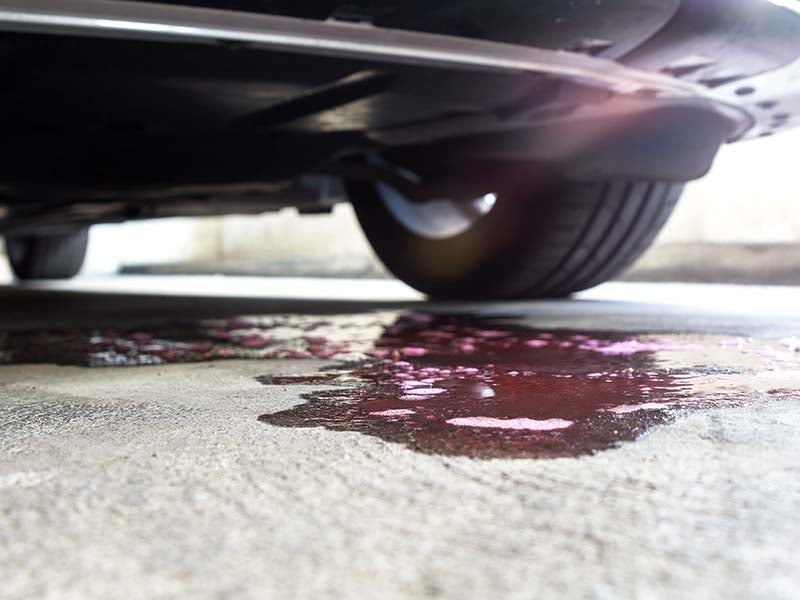
car leaking fluid

Chevy Transmission Fluid Leaks: What Spots Under Your Vehicle Can Mean and When to Schedule Service

A new spot beneath your Chevrolet deserves attention, but its color cannot tell you exactly where it came from. Transmission fluid, engine oil, coolant, and other fluids can leave similar-looking marks, especially after mixing with dirt or collecting on an underbody panel. If you suspect a Chevy transmission fluid leak, note what you see and arrange an inspection. Identifying the fluid and tracing its source should come before choosing a repair or adding more fluid. Why Fluid Color Is Only a Clue Some transmission fluids appear red when fresh, but their appearance can change with use. Different transmissions also require different fluid specifications, so one color chart cannot reliably identify every Chevrolet fluid. Older fluid may look brown or dark, and the pavement beneath it can affect how the color appears. Even the location of a spot can be misleading because fluid may travel along a component before dripping. Clear water after air-conditioning use may be normal condensation. However, recurring oily spots, a growing puddle, or an unfamiliar odor should be evaluated rather than identified by appearance alone. Record What Happens Before Your Appointment Take a photograph of the spot and note where it appears relative to the vehicle. If practical, place clean cardboard beneath the parked vehicle to document the location and whether more fluid appears overnight. Also record whether the spots began after maintenance, a road impact, a long drive, or a change in shifting behavior. Avoid crawling beneath a vehicle that is not properly supported. Useful symptoms to report include: A delay before the vehicle engages Drive or Reverse. Unexpected shifts, slipping, or engine speed rising without matching acceleration. A new burning or unusual odor. Transmission-temperature warnings or other dashboard messages. Repeated fluid additions or previous leak repairs. These observations help guide a Chevrolet transmission inspection. They do not establish that low fluid—or the transmission itself—is responsible for every symptom. Fluid-Level Checks Must Match the Vehicle Checking transmission fluid is not necessarily like checking engine oil. Some Chevrolet transmissions have a dipstick, while others use a service procedure involving a level plug and a specified fluid-temperature range. The procedure may also require particular engine-running conditions, gear selections, and vehicle positioning. An incorrect check can suggest the transmission is low when it is not, or lead to overfilling. Follow the owner’s manual for your exact model and year. If the manual directs you to have the level checked by a technician, leave that measurement to the service team. Do not add a generic transmission fluid based only on the color of a driveway spot. How Technicians Trace a Leak Technicians first identify the fluid and inspect the vehicle for its source. Depending on the transmission, they may examine seals, housing joints, the pan, cooler connections, or other relevant components. Cleaning an affected area and observing where fresh fluid appears can help distinguish an active leak from residue. Model-specific diagnostic methods may be needed to reproduce a leak that occurs only under certain operating conditions. The team can then check fluid level using the correct procedure and investigate any reported shifting concerns. Warning messages may also call for diagnostic-code checks and further testing. Leak Repair and Fluid Replacement Address Different Needs Routine transmission-fluid replacement follows the maintenance schedule for the vehicle and its driving conditions. Leak repair addresses the path through which fluid escapes. A fluid change does not repair a leaking seal or connection. Likewise, repeated top-offs do not resolve the cause of fluid loss. They can also make it harder to track the problem if the amounts and fluid specifications are not recorded. The appropriate repair depends on the confirmed source. A spot beneath the vehicle does not automatically mean the transmission needs replacement. When to Contact Riverview Chevrolet Arrange an inspection promptly for recurring spots or suspected transmission-fluid loss. If there is substantial leakage, smoke, a transmission-temperature warning, or difficulty engaging a gear, stop in a safe location and contact the service team before continuing. Towing may be appropriate. Review Chevrolet service at Riverview Chevrolet in North Huntingdon, then request a diagnostic inspection. Include your model, year, mileage, photographs, warning messages, and any shifting changes so the team can investigate the concern before recommending service or repairs.
Chevy Trax Interior Tech Features

Chevy Trax Feature Guide: What Comes Standard and Which Comfort and Technology Upgrades Are Available?

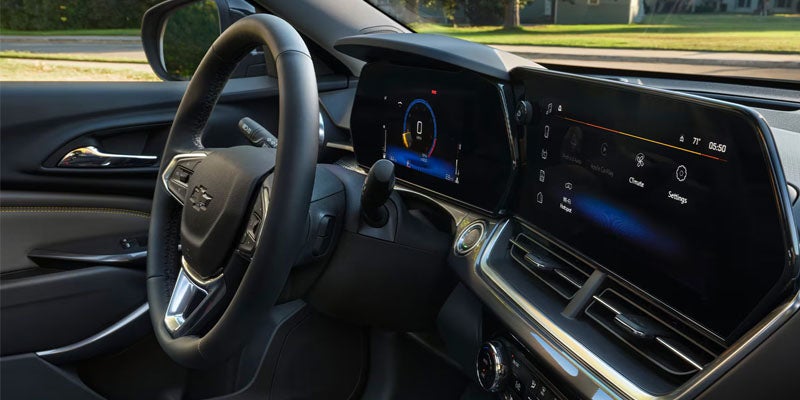
The Chevy Trax combines five-passenger seating, flexible cargo space, and useful technology in a small SUV. Choosing one means deciding which conveniences you want beyond the equipment already included. This guide covers the 2026 Chevy Trax features across LS, 1RS, LT, 2RS, and ACTIV. The powertrain stays consistent, while screens, seating appointments, and available packages change. At Riverview Chevrolet in North Huntingdon, comparing actual vehicles helps you see which differences matter during your daily drive. Powertrain: Does the Chevy Trax Offer AWD? Every 2026 Trax uses a 1.2-liter turbocharged engine, a six-speed automatic transmission, and front-wheel drive. All-wheel drive is not available, including on ACTIV and the RS trims. That means choosing a higher trim changes equipment and appearance rather than adding a different engine or drivetrain. During a test drive, pay attention to acceleration from a stop, highway merging, and how the transmission responds on hills. For Pennsylvania winter driving, tire condition and appropriate tire selection still deserve attention. Traction control does not replace tires suited to the conditions. Seating and Comfort: Which Upgrades Will You Notice? Five seats are part of Chevy Trax standard equipment. Before comparing upholstery or heated features, adjust the driver’s seat and steering wheel, then check rear-seat room with the front seats positioned for your household. Comfort equipment varies across the lineup: LT adds standard automatic climate control and remote start. 1RS includes heated front seats and a heated, wrapped steering wheel. ACTIV includes Evotex seating surfaces, heated front seats, a heated steering wheel, and an eight-way power driver’s seat with power lumbar adjustment. Other configurations offer additional comfort equipment through trim selection or packages. Check the window sticker for the vehicle you are considering rather than assuming every Trax has heated seats or power seat adjustment. Try the controls while parked. A seat that adjusts easily and supports you comfortably may matter more during a workweek than an exterior styling detail. Cargo Flexibility: What Fits Behind the Rear Seat? The standard 60/40 split-folding rear seat lets you carry a longer item while keeping part of the rear seat available for passengers. Maximum cargo capacity reaches 54 cubic feet with the rear seats folded; that figure does not describe the space available with five people aboard. Bring your stroller, folding chairs, or frequently carried bags to the dealership. Test whether they fit with the rear seats upright, then fold each section to see how the layout changes. Also check the liftgate’s reach, the cargo opening, and the height you need to lift heavier items. Those details help determine whether the Trax fits your routine. Phone Connectivity and Display Choices Wireless Apple CarPlay and wireless Android Auto compatibility are standard for compatible phones. LS and 1RS use an eight-inch center touchscreen. LT, 2RS, and ACTIV step up to an 11-inch touchscreen and an eight-inch digital Driver Information Center. Wireless phone charging is a separate available feature. Wireless smartphone integration does not automatically mean the vehicle includes a charging pad. Pair your phone during the visit and try directions, a call, and your preferred audio app. Check screen readability and whether you can reach the controls comfortably. Phone apps may require mobile data, while hotspot and connected services can require activation and an applicable service plan. Driver Assistance: Standard Features Versus Available Packages Every 2026 Trax includes Chevy Safety Assist, consisting of Forward Collision Alert, Automatic Emergency Braking, Front Pedestrian Braking, Lane Keep Assist with Lane Departure Warning, Following Distance Indicator, and IntelliBeam automatic high beams. A rearview camera is also standard. Available equipment includes Lane Change Alert with Side Blind Zone Alert, Rear Cross Traffic Alert, Rear Park Assist, and Adaptive Cruise Control. Package contents and availability vary by trim, so confirm each feature individually. These systems serve different purposes. Cameras display a view, alerts call attention to detected conditions, and braking assistance may intervene under certain circumstances. None replaces attentive driving or guarantees collision prevention. What to Confirm on the Actual Trax As you browse our new Chevrolet Trax inventory, compare each vehicle’s window sticker against your priorities: Touchscreen size and driver display. Heated seats, heated steering wheel, and seat adjustments. Automatic climate control and remote start. Wireless charging and any sunroof package. Driver-assistance package contents. Wheel size, tire specifications, and cargo fit. Visit Riverview Chevrolet in North Huntingdon to compare the equipment in person. Testing the features you will use regularly makes it easier to choose a Trax that fits your budget and your week.

Chevy brake service

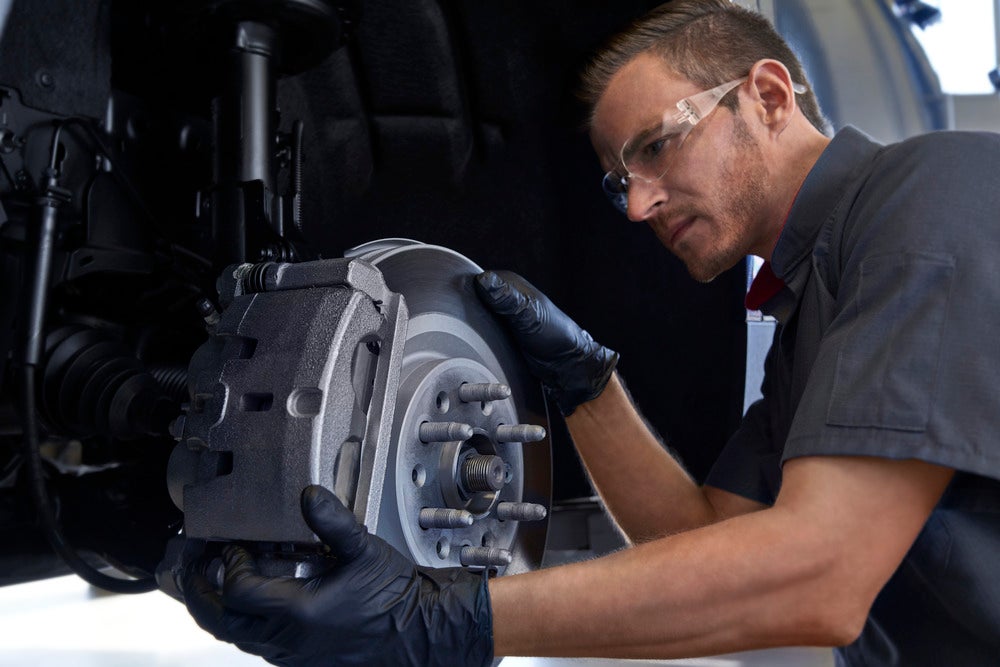
Why Does Your Steering Wheel Shake When You Brake? Common Chevy Brake Problems Explained

If your steering wheel starts shaking every time you press the brake pedal, your Chevrolet is trying to tell you something. Brake vibration is one of the most common complaints drivers experience, and while it can range from a minor issue to a more significant repair, it's never something you should ignore. Knowing what causes the vibration—and when to have it inspected—can help you avoid more expensive repairs while keeping your vehicle stopping safely. Brake Rotors Are Often the Culprit The most common cause of brake vibration is uneven brake rotors. Every time you slow down, the brake pads clamp against the rotors to create friction. After thousands of heating and cooling cycles, the rotor surface can develop thickness variation or uneven wear. When that happens, the brake pads no longer make smooth, consistent contact. Instead, they grab and release slightly as the wheel rotates, creating the pulsing sensation you feel through the brake pedal and steering wheel. Heavy braking, repeated mountain driving, towing, or prolonged stop-and-go traffic can all accelerate rotor wear. Brake Pads Can Also Cause Vibration Brake pads naturally wear over time, but uneven wear can create additional problems. Pads that have become glazed from excessive heat or worn at different rates may not contact the rotor evenly, leading to vibration during braking. In many cases, worn brake pads and worn rotors go hand in hand, which is why technicians typically inspect both components during the same service visit. Replacing brake pads before they're completely worn can sometimes help prevent more costly rotor damage. Sometimes the Problem Isn't the Brakes Although the brake system is usually responsible, it's not the only possibility. Loose suspension components, worn steering parts, damaged wheel bearings, or improperly balanced wheels can also create vibrations that become more noticeable while braking. A professional inspection helps identify the true cause instead of replacing parts that aren't causing the problem. Don't Ignore the Warning Signs If the steering wheel shakes only when braking, the vibration is getting worse, or you notice squealing, grinding, or your vehicle pulling to one side, it's time to schedule service. Continuing to drive with brake problems can increase stopping distances, accelerate wear on other brake components, and lead to more extensive repairs later. Addressing the issue early is almost always less expensive than waiting until additional parts become damaged. What Happens During a Brake Inspection? A Chevrolet-certified technician will inspect the entire braking system, including brake pad thickness, rotor condition, caliper operation, brake hardware, and brake fluid. Rotor thickness and runout are measured to determine whether the rotors can be resurfaced or should be replaced. If replacement is necessary, new brake pads are often installed at the same time to promote even wear and consistent braking performance. The inspection also helps identify any suspension or steering components that may be contributing to the vibration. Schedule Chevrolet Brake Service in North Huntingdon, PA If your steering wheel shakes when you brake, don't wait for the problem to become more serious. The service team at Riverview Chevrolet North Huntingdon can inspect your braking system, identify the cause of the vibration, and recommend the repairs needed to restore smooth, confident stopping performance. Schedule your brake inspection today and keep your Chevrolet performing the way it was engineered to.

Chevy Used Truck

Buying a Used Truck? Be Sure to Check These Things Out Before You Decide

A used truck like the Chevy Silverado can be one of the smartest purchases you make - but only if you know what to look for before you sign anything. A thorough used truck inspection can save you from unexpected repair costs and help you feel confident in your decision. Trucks built for work take a beating, and the evidence is often hiding in plain sight. Start With the Bed and Frame The truck's bed is your first clue about how hard a vehicle worked. Deep gouges, rust through the bed liner, and cracks near the bed rails suggest heavy hauling or commercial use. Slide underneath and check the frame rails for cracks, bends, or patches of thick undercoating that might be concealing rust. A clean, solid frame is vital. These are among the most important used Silverado buying tips you can follow - and they apply to any used full-size truck. Check the Suspension and Tires Worn suspension components are a common sign of a truck that pulled heavy loads regularly. Push down on each corner of the truck and listen for creaking or clunking. Look at tire wear, too. Uneven wear across the front tires often signals alignment or suspension issues that can be costly to fix. While you're at it, check the wheel wells for mud buildup or spray-in liner damage, which can point to off-road use that the seller may not have mentioned. Inspect the Engine Bay and Transmission Pop the hood and look for oil leaks around gaskets, hose connections, and the valve covers. Dark or milky oil can indicate a deeper problem. Check the transmission fluid on the dipstick if accessible - it should be a clean reddish color, not brown or burnt-smelling. Ask for service records whenever possible. A well-maintained engine tells you a lot about how the previous owner treated the truck overall. Look Inside the Cab for Hidden Wear The cab tells its own story. Worn pedal rubbers, a cracked dashboard, and heavily faded upholstery all suggest high mileage and frequent use. Check that the power windows, locks, and touchscreen all function properly. Don't skip the air bag indicator light - make sure no warning lights come on after the truck starts, and the system completes its self-check. Small electrical gremlins can become bigger headaches quickly. Get a Pre-Purchase Inspection No matter how good a used truck looks on the surface, having a certified technician look it over before you commit is always worth it. A pre-purchase inspection can reveal issues that aren't visible to the untrained eye. A qualified service professional can give you an honest assessment before you make a final decision. Visit Riverview Chevrolet Before You Decide A careful used truck inspection in North Huntingdon, PA is the best way to protect your investment. From the frame to the cab, every detail matters when you're evaluating a pre-owned truck. Stop by Riverview Chevrolet to browse their used truck inventory and speak with a knowledgeable team that can help you find the right fit for your needs and budget.

Chevy Tire Service

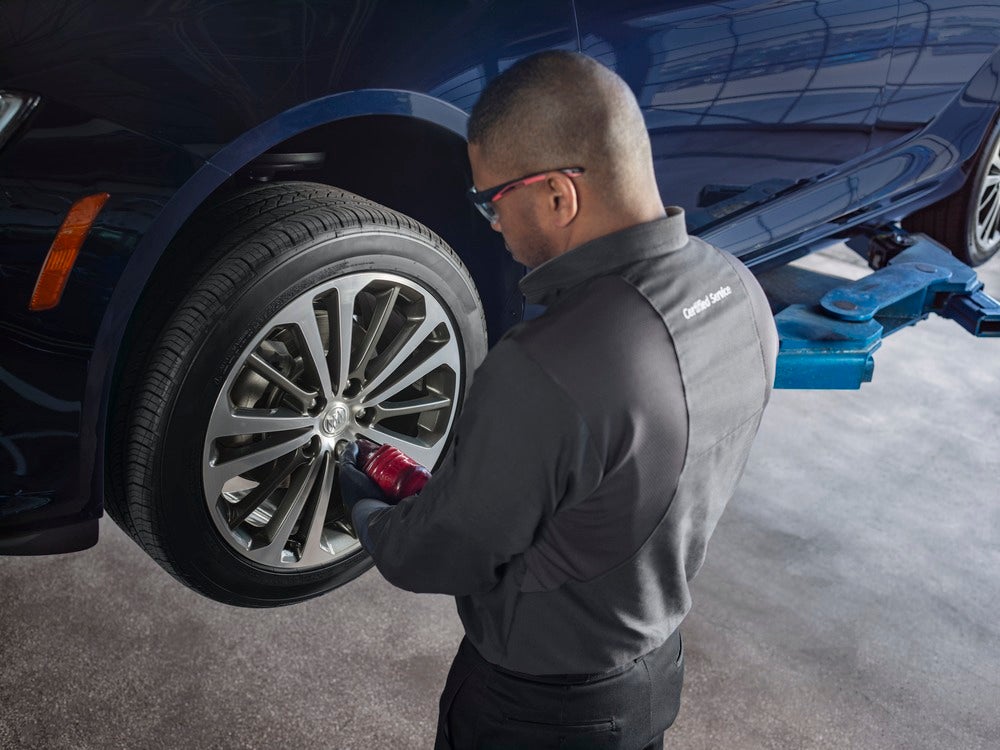
Why Western PA Roads Are Hard on Tires - And Where to Get Chevy Tire Service Near North Huntingdon PA

If you drive regularly around North Huntingdon, Pennsylvania, you already know the roads can be rough. Freeze-thaw cycles throughout the year create potholes that seem to appear overnight, and once they form, they can do real damage to your vehicle with just a single hit. That kind of repeated road stress is exactly why Chevy tire service near North Huntingdon PA should be a regular part of your vehicle maintenance routine - not something you wait on until a problem becomes obvious. How Potholes and Rough Roads Damage Your Tires When your tires hit a pothole, the impact puts sudden, intense pressure on the sidewall. This can cause bulges, internal damage, or even a blowout. Even smaller road imperfections add up over time, gradually wearing down tread in uneven patterns. For Chevy owners driving SUVs like the Traverse or Tahoe, or trucks like the Silverado, those heavier vehicles put more load on tires to begin with - making regular tire inspections even more important. The Connection Between Rough Roads and Alignment Issues Potholes also damage your car's alignment. When your wheels are out of alignment, your tires wear unevenly and your vehicle may pull to one side while driving. Over time, poor alignment puts added strain on the suspension as well. A proper tire inspection and alignment check can catch these issues early, before they turn into more expensive repairs. Many drivers are surprised to learn how quickly alignment can shift after just one serious pothole impact. Why Brakes Deserve Attention Too Rough road conditions are also hard on your brakes. Debris, moisture, and the vibration from uneven surfaces all accelerate brake wear. If you notice your vehicle pulling when you brake, hear grinding or squealing, or feel a vibration in the pedal, those are signs your brakes need attention. Pairing a brake inspection with your routine tire inspection and alignment service is a smart way to keep your Chevy running safely. Stay Ahead of Road Damage The best approach to road damage is staying proactive. Checking your tires regularly for uneven wear, low tread depth, or visible damage can help you catch problems before they leave you stranded. Scheduling routine service appointments - especially after a rough winter - keeps your Chevy in top shape. Visit Riverview Chevrolet for Chevy Tire Service Do not let potholes and rough pavement get the upper hand on your vehicle. No matter if you drive a Colorado, Equinox, or Silverado, your Chevy deserves expert care from a team that knows about these roads. Come and see us at Riverview Chevrolet and let our Chevy tire service experts help you stay safe, comfortable, and confident mile after mile.

2026 Traverse

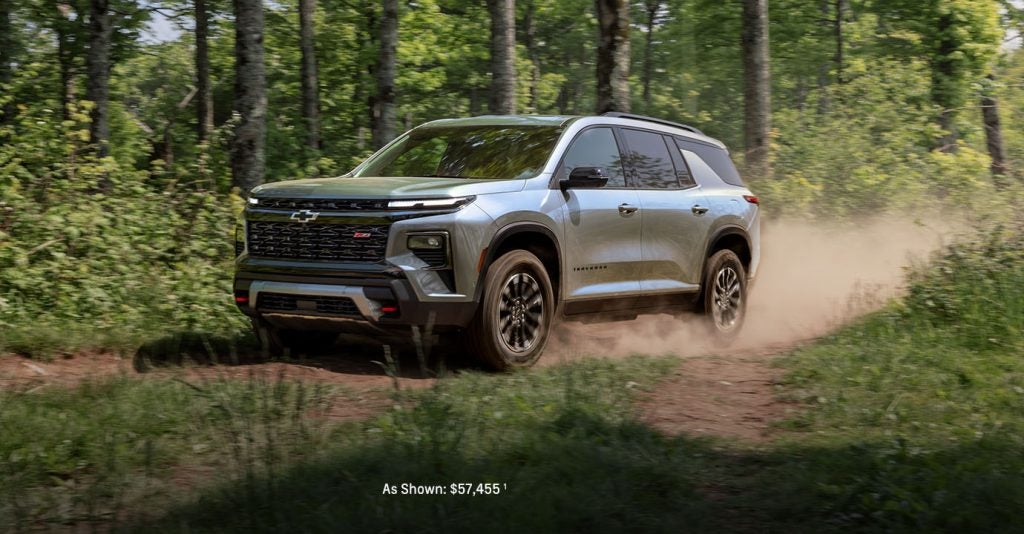
2026 Chevrolet Traverse Trims: LT, Z71, High Country, or RS- A Guide for Pittsburgh Drivers

If you've been shopping for a Chevy three-row SUV that can handle school runs, weekend road trips, and everything in between, you should be looking at the 2026 Chevrolet Traverse trims. With four options - the LT, Z71, High Country, & RS - there's a Traverse built to fit all kinds of lifestyles and budgets. The question is: which one fits yours? 2026 Traverse LT: The Smart Starting Point The 2026t Traverse LT comes well-equipped right out of the gate with a 17-7-in touchscreen, available all-wheel drive, and seating for up to 8 passengers. It strikes a balance between practicality and comfort without unnecessary extras that drive up cost. 2026 Traverse Z71: Buuntry: The Premium Family Experience The High Country is the most feature-rich of the Traverse trims, bringing a more upscale interior with upgraded materials, additional driver assistance technologies, and premium comfort features for all three rows. Long trips feel different when every passenger has a comfortable place to settle in. 2026 Chevrolet Traven the Four Trims Choosing the right 2026 Chevrolet Traverse trim really comes down to a few questions: How much do you prioritize off-road or winter capability? How important is interior comfort to you? What features do your passengers use every day? The LT covers the essentials well, the Z71 layers in capability, the High Country focuses on experience and gives you the sporty thrill. None of them are wrong choices - they just serve different types of families. Find Your Traverse at Riverview Chevrolet Now that you know a little bit more about the trim levels available on the 2026 Chevrolet Traverse, it's time to see the Traverse in person. Our team at Riverview Chevrolet will be happy to connect with you and answer any questions you may have, walk you through our available inventory, and set you up on a test drive so you can drive away in the Traverse that is perfect for you and your family.

Contact Us

Fill out this form below and we'll contact you shortly
*Required Fields