




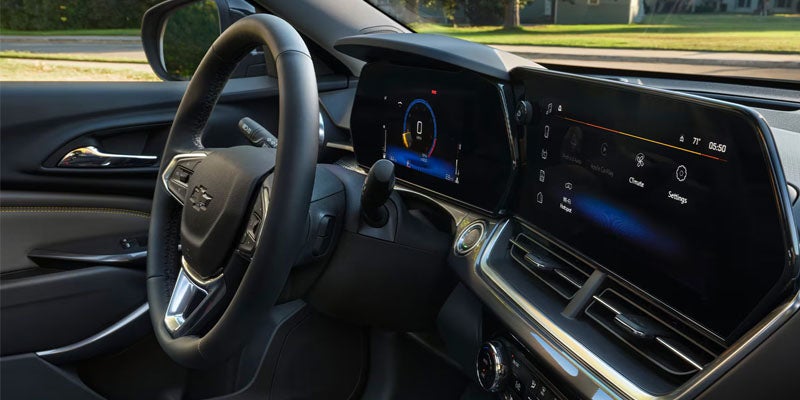
The Chevy Trax combines five-passenger seating, flexible cargo space, and useful technology in a small SUV. Choosing one means deciding which conveniences you want beyond the equipment already included. This guide covers the 2026 Chevy Trax features across LS, 1RS, LT, 2RS, and ACTIV. The powertrain stays consistent, while screens, seating appointments, and available packages change. At Riverview Chevrolet in North Huntingdon, comparing actual vehicles helps you see which differences matter during your daily drive. Powertrain: Does the Chevy Trax Offer AWD? Every 2026 Trax uses a 1.2-liter turbocharged engine, a six-speed automatic transmission, and front-wheel drive. All-wheel drive is not available, including on ACTIV and the RS trims. That means choosing a higher trim changes equipment and appearance rather than adding a different engine or drivetrain. During a test drive, pay attention to acceleration from a stop, highway merging, and how the transmission responds on hills. For Pennsylvania winter driving, tire condition and appropriate tire selection still deserve attention. Traction control does not replace tires suited to the conditions. Seating and Comfort: Which Upgrades Will You Notice? Five seats are part of Chevy Trax standard equipment. Before comparing upholstery or heated features, adjust the driver’s seat and steering wheel, then check rear-seat room with the front seats positioned for your household. Comfort equipment varies across the lineup: LT adds standard automatic climate control and remote start. 1RS includes heated front seats and a heated, wrapped steering wheel. ACTIV includes Evotex seating surfaces, heated front seats, a heated steering wheel, and an eight-way power driver’s seat with power lumbar adjustment. Other configurations offer additional comfort equipment through trim selection or packages. Check the window sticker for the vehicle you are considering rather than assuming every Trax has heated seats or power seat adjustment. Try the controls while parked. A seat that adjusts easily and supports you comfortably may matter more during a workweek than an exterior styling detail. Cargo Flexibility: What Fits Behind the Rear Seat? The standard 60/40 split-folding rear seat lets you carry a longer item while keeping part of the rear seat available for passengers. Maximum cargo capacity reaches 54 cubic feet with the rear seats folded; that figure does not describe the space available with five people aboard. Bring your stroller, folding chairs, or frequently carried bags to the dealership. Test whether they fit with the rear seats upright, then fold each section to see how the layout changes. Also check the liftgate’s reach, the cargo opening, and the height you need to lift heavier items. Those details help determine whether the Trax fits your routine. Phone Connectivity and Display Choices Wireless Apple CarPlay and wireless Android Auto compatibility are standard for compatible phones. LS and 1RS use an eight-inch center touchscreen. LT, 2RS, and ACTIV step up to an 11-inch touchscreen and an eight-inch digital Driver Information Center. Wireless phone charging is a separate available feature. Wireless smartphone integration does not automatically mean the vehicle includes a charging pad. Pair your phone during the visit and try directions, a call, and your preferred audio app. Check screen readability and whether you can reach the controls comfortably. Phone apps may require mobile data, while hotspot and connected services can require activation and an applicable service plan. Driver Assistance: Standard Features Versus Available Packages Every 2026 Trax includes Chevy Safety Assist, consisting of Forward Collision Alert, Automatic Emergency Braking, Front Pedestrian Braking, Lane Keep Assist with Lane Departure Warning, Following Distance Indicator, and IntelliBeam automatic high beams. A rearview camera is also standard. Available equipment includes Lane Change Alert with Side Blind Zone Alert, Rear Cross Traffic Alert, Rear Park Assist, and Adaptive Cruise Control. Package contents and availability vary by trim, so confirm each feature individually. These systems serve different purposes. Cameras display a view, alerts call attention to detected conditions, and braking assistance may intervene under certain circumstances. None replaces attentive driving or guarantees collision prevention. What to Confirm on the Actual Trax As you browse our new Chevrolet Trax inventory, compare each vehicle’s window sticker against your priorities: Touchscreen size and driver display. Heated seats, heated steering wheel, and seat adjustments. Automatic climate control and remote start. Wireless charging and any sunroof package. Driver-assistance package contents. Wheel size, tire specifications, and cargo fit. Visit Riverview Chevrolet in North Huntingdon to compare the equipment in person. Testing the features you will use regularly makes it easier to choose a Trax that fits your budget and your week.

Chevy Transmission Fluid Leaks: What Spots Under Your Vehicle Can Mean and When to Schedule Service
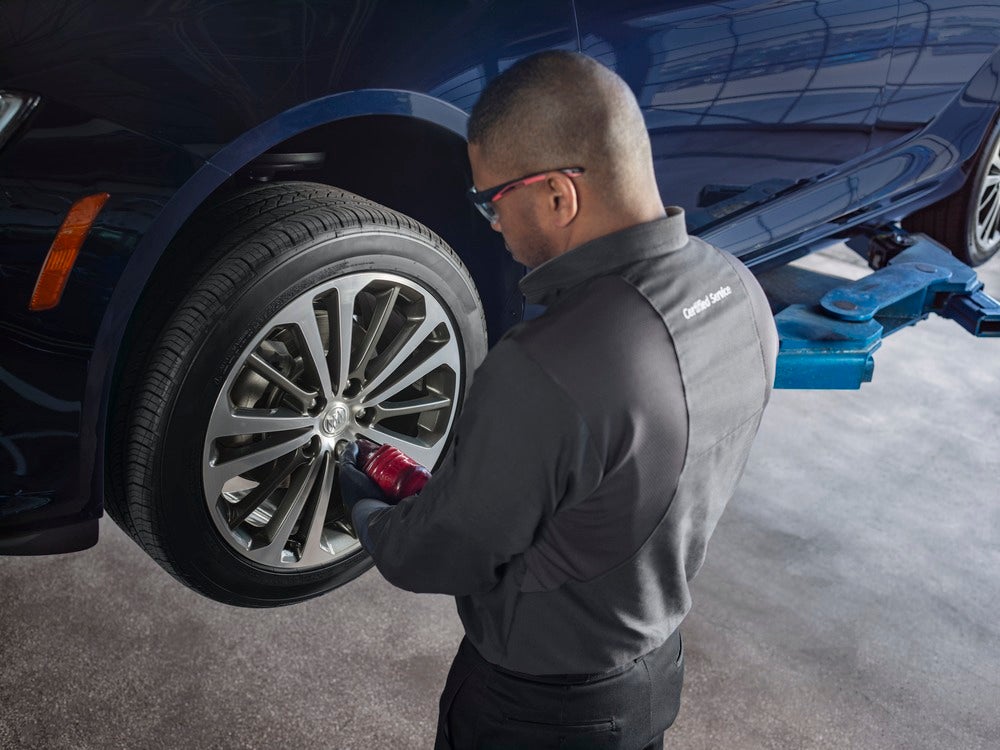
A new spot beneath your Chevrolet deserves attention, but its color cannot tell you exactly where it came from. Transmission fluid, engine oil, coolant, and other fluids can leave similar-looking marks, especially after mixing with dirt or collecting on an underbody panel. If you suspect a Chevy transmission fluid leak, note what you see and arrange an inspection. Identifying the fluid and tracing its source should come before choosing a repair or adding more fluid. Why Fluid Color Is Only a Clue Some transmission fluids appear red when fresh, but their appearance can change with use. Different transmissions also require different fluid specifications, so one color chart cannot reliably identify every Chevrolet fluid. Older fluid may look brown or dark, and the pavement beneath it can affect how the color appears. Even the location of a spot can be misleading because fluid may travel along a component before dripping. Clear water after air-conditioning use may be normal condensation. However, recurring oily spots, a growing puddle, or an unfamiliar odor should be evaluated rather than identified by appearance alone. Record What Happens Before Your Appointment Take a photograph of the spot and note where it appears relative to the vehicle. If practical, place clean cardboard beneath the parked vehicle to document the location and whether more fluid appears overnight. Also record whether the spots began after maintenance, a road impact, a long drive, or a change in shifting behavior. Avoid crawling beneath a vehicle that is not properly supported. Useful symptoms to report include: A delay before the vehicle engages Drive or Reverse. Unexpected shifts, slipping, or engine speed rising without matching acceleration. A new burning or unusual odor. Transmission-temperature warnings or other dashboard messages. Repeated fluid additions or previous leak repairs. These observations help guide a Chevrolet transmission inspection. They do not establish that low fluid—or the transmission itself—is responsible for every symptom. Fluid-Level Checks Must Match the Vehicle Checking transmission fluid is not necessarily like checking engine oil. Some Chevrolet transmissions have a dipstick, while others use a service procedure involving a level plug and a specified fluid-temperature range. The procedure may also require particular engine-running conditions, gear selections, and vehicle positioning. An incorrect check can suggest the transmission is low when it is not, or lead to overfilling. Follow the owner’s manual for your exact model and year. If the manual directs you to have the level checked by a technician, leave that measurement to the service team. Do not add a generic transmission fluid based only on the color of a driveway spot. How Technicians Trace a Leak Technicians first identify the fluid and inspect the vehicle for its source. Depending on the transmission, they may examine seals, housing joints, the pan, cooler connections, or other relevant components. Cleaning an affected area and observing where fresh fluid appears can help distinguish an active leak from residue. Model-specific diagnostic methods may be needed to reproduce a leak that occurs only under certain operating conditions. The team can then check fluid level using the correct procedure and investigate any reported shifting concerns. Warning messages may also call for diagnostic-code checks and further testing. Leak Repair and Fluid Replacement Address Different Needs Routine transmission-fluid replacement follows the maintenance schedule for the vehicle and its driving conditions. Leak repair addresses the path through which fluid escapes. A fluid change does not repair a leaking seal or connection. Likewise, repeated top-offs do not resolve the cause of fluid loss. They can also make it harder to track the problem if the amounts and fluid specifications are not recorded. The appropriate repair depends on the confirmed source. A spot beneath the vehicle does not automatically mean the transmission needs replacement. When to Contact Riverview Chevrolet Arrange an inspection promptly for recurring spots or suspected transmission-fluid loss. If there is substantial leakage, smoke, a transmission-temperature warning, or difficulty engaging a gear, stop in a safe location and contact the service team before continuing. Towing may be appropriate. Review Chevrolet service at Riverview Chevrolet in North Huntingdon, then request a diagnostic inspection. Include your model, year, mileage, photographs, warning messages, and any shifting changes so the team can investigate the concern before recommending service or repairs.