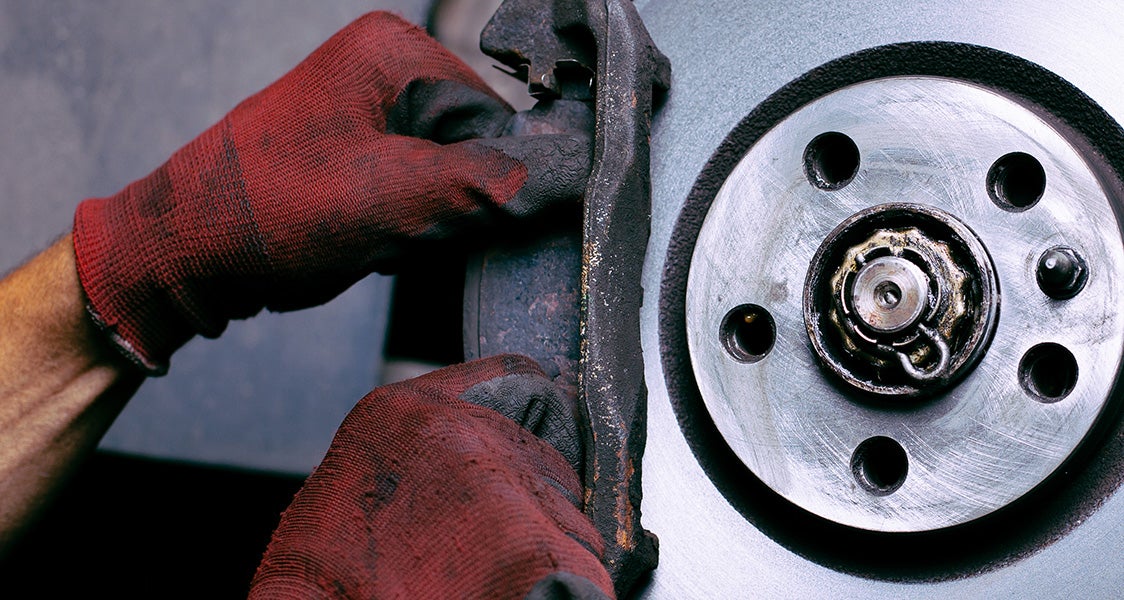




If your Chevrolet displays a "Service Brake Assist" warning, the vehicle may have detected a problem affecting its power brake assistance. Depending on the model and the fault, you might notice a stiff brake pedal, increased braking effort, or a longer stopping distance. Possible causes include brake booster problems, faulty pressure or vacuum sensors, electrical issues, or a malfunction involving the brake control system. A Chevy Service Brake Assist warning should be taken seriously even if the vehicle initially seems to stop normally. If braking performance changes, carefully stop in a safe location and arrange roadside assistance rather than continuing to drive. Schedule Chevrolet Brake Service Explore Certified Brake Service For Chevrolet owners around North Huntingdon, Irwin, North Versailles, Greensburg, and Monroeville, reliable braking is essential when traveling along Route 30, navigating local hills, or encountering Western Pennsylvania's changing weather. Understanding what the warning means can help you recognize serious symptoms, avoid unsafe troubleshooting, and determine when your vehicle needs professional brake diagnostics at Riverview Chevrolet. Quick Answer: What Does "Service Brake Assist" Mean on a Chevy? The "Service Brake Assist" message generally indicates that your Chevrolet has detected a problem involving the system that assists the driver in applying the brakes. Depending on the vehicle, the system may use vacuum assistance, electronic brake boosting, sensors, and control modules. A malfunction can increase the amount of force required at the brake pedal. In some cases, stopping distances may also increase. What should you do? Stop safely, review any additional brake warnings, and contact a qualified service professional. If the pedal feels unusually hard or soft, braking is reduced, or the red brake warning remains illuminated, arrange towing rather than attempting to drive to a service appointment. What Is Brake Assist on a Chevrolet? Your Chevrolet's braking system includes several components that work together to slow or stop the vehicle. These may include brake pads, rotors, calipers, hydraulic components, a brake booster, sensors, and electronic control systems. Power brake assistance helps reduce the physical effort needed to apply the brakes. Without sufficient assistance, a driver may need to push considerably harder on the pedal to achieve the same braking response. The type of assistance varies depending on the model and year. Some Chevrolet vehicles use conventional vacuum-assisted brake boosters, while others use electronically controlled brake boost systems. Is Brake Assist the Same as ABS? No. The Antilock Brake System, or ABS, helps manage wheel lockup during certain braking situations. Brake boost provides assistance to the driver's normal braking effort. The two systems may interact through vehicle electronics, but they perform different functions. An ABS warning does not automatically mean the brake booster has failed, just as a Service Brake Assist message does not necessarily indicate an ABS problem. Is Brake Assist the Same as Automatic Emergency Braking? No. Automatic Emergency Braking is a separate driver-assistance technology designed to help reduce or avoid certain forward collisions when its operating conditions are met. The Service Brake Assist message generally relates to braking assistance or the brake boost system rather than simply indicating that Automatic Emergency Braking is temporarily unavailable. Some models also describe an emergency Brake Assist function that supplements driver braking during rapid pedal application. The exact relationship between these functions depends on the vehicle's braking architecture. What Causes the Chevy Service Brake Assist Warning? Several different components may contribute to a brake-assist fault. The warning itself does not identify a single failed part, which is why vehicle-specific diagnostics are important. 1. Brake Booster Problems A brake booster helps reduce the amount of pressure a driver must apply to the brake pedal. If the booster cannot supply the expected assistance, the pedal may become noticeably harder to push. Depending on the vehicle, a booster-related problem might involve internal components, a vacuum supply issue, an electric brake boost mechanism, or another supporting system. A technician must determine whether the booster itself is malfunctioning or whether the problem originates in another component. 2. Brake Vacuum or Pressure Sensor Problems Certain Chevrolet brake-assist systems use sensors to monitor vacuum, pressure, or other operating conditions. These readings help the control system determine whether the expected braking assistance is available. If a sensor sends an inaccurate signal, the system may detect a fault and display a warning. However, an unexpected sensor reading can also result from damaged wiring or an actual problem within the system being monitored. Replacing a sensor without testing the related components may not resolve the concern. 3. Electrical Connections and Wiring Faults Modern Chevrolet braking systems often rely on electrical communication between sensors, control modules, and brake-assist equipment. Damaged wiring, loose connectors, poor electrical grounds, or voltage-related issues may interfere with that communication. In some cases, an intermittent electrical problem may cause the warning to appear during one trip and disappear during another. That does not mean the problem has corrected itself. A professional inspection may be necessary to identify an intermittent circuit fault. 4. Electronic Brake Control Module Issues Depending on the Chevrolet model, a brake system control module may monitor sensors, hydraulic functions, and electronically assisted braking components. When the module detects unexpected behavior, it may store a diagnostic trouble code and request a dashboard warning. The fault could involve the control module, a connected component, a wiring circuit, or another condition affecting the system. A diagnostic trouble code helps narrow the investigation, but additional tests are often required before identifying the actual cause. 5. Vehicle-Specific Software or Calibration Problems General Motors has documented certain brake-assist concerns involving software or control-system calibration on specific Chevrolet models and production years. Some of these concerns may be addressed through manufacturer-approved diagnostic or programming procedures. However, not every Service Brake Assist warning is caused by a software problem, and a bulletin for one vehicle does not automatically apply to another. A technician should check the vehicle's VIN, relevant diagnostic trouble codes, and current GM service information to determine whether an applicable procedure exists. 6. Other Brake System Malfunctions Hydraulic braking problems, fluid leaks, or faults involving other brake components may cause additional dashboard warnings or abnormal pedal behavior. These issues are not necessarily the cause of the Service Brake Assist message, but they must be considered when a driver reports unusual stopping performance. For example, a soft brake pedal may suggest a different problem from a hard pedal caused by reduced power assistance. Because braking is safety-critical, the entire set of symptoms should be considered rather than focusing on one warning message alone. Service Brake Assist Warning: Common Symptoms and What They Mean The symptoms accompanying a warning can help a technician understand what happened. Some indicate a possible loss of brake assistance, while others may point to additional braking system concerns. Symptom or Warning Possible Explanation Recommended Response Service Brake Assist message Possible brake boost or brake-assist system fault Stop safely and contact Chevrolet service for guidance and diagnosis. Hard or stiff brake pedal Reduced power brake assistance Stop carefully and arrange qualified roadside assistance. Longer stopping distance Possible reduction in braking effectiveness or assistance Do not continue driving; arrange towing. Soft or sinking brake pedal Possible hydraulic brake issue or another serious fault Stop safely and have the vehicle towed. Unusual pedal pulsation Could involve normal ABS activity or abnormal braking system behavior If new, persistent, or paired with warnings, arrange an inspection. ABS warning A fault involving the anti-lock braking system may be present Follow the owner's manual and have the system evaluated promptly. Red brake system warning stays on Potential regular braking system problem Stop carefully and arrange towing if the warning remains illuminated. Warning disappears after restart Possible intermittent condition or temporarily inactive fault Do not assume the system is repaired; contact service for evaluation. These symptoms can have more than one explanation. Only vehicle-specific inspection and diagnostic testing can determine the actual problem. Why Does My Chevy Brake Pedal Suddenly Feel Hard? A sudden increase in brake pedal effort can indicate that the vehicle is no longer receiving its normal level of power brake assistance. The regular braking components may still provide some stopping ability, but the driver may need to apply substantially more force to the pedal. Chevrolet's owner documentation warns that certain brake boost faults can cause a harder pedal and increased stopping distance. If this happens while driving, reduce speed carefully, find a safe place to stop, and arrange assistance. Do not test whether the condition improves by repeatedly accelerating and braking on public roads. What Does Brake Pedal Pulsation Mean? Brief brake pedal pulsation can occur when ABS activates during certain hard-braking or low-traction conditions. Some Chevrolet brake-assist functions may also produce temporary pedal movement or noise during emergency braking. However, repeated pulsation during ordinary braking, especially when accompanied by a Service Brake Assist warning, should be evaluated. A technician may need to investigate the braking system's electronic controls, hydraulic functions, or mechanical components to determine the cause. A new vibration or pulsation should not automatically be dismissed as normal ABS operation. Can You Drive a Chevy With the Service Brake Assist Warning On? You should not assume your Chevrolet is safe to continue driving simply because it still moves and the brake pedal responds. The warning may indicate reduced braking assistance, which can affect the force needed to stop the vehicle. If the warning appears without noticeable symptoms, stop safely, review the owner's manual, and contact a qualified service professional before continuing normal use. If the pedal has changed, the vehicle stops less effectively, or additional serious brake warnings appear, arrange towing rather than driving to an appointment. When Should You Stop Driving Immediately? Stop as soon as you can do so safely if any of the following occurs: The brake pedal suddenly becomes much harder to press. The vehicle takes noticeably longer to stop. The pedal feels unusually soft or sinks farther than normal. The vehicle pulls severely or behaves unpredictably during braking. A red brake system warning stays illuminated. There is an apparent brake fluid leak or another serious braking concern. Use the safest available location to bring the vehicle to a stop. Avoid unnecessary driving and arrange towing or roadside assistance. If the vehicle cannot be controlled or stopped safely, contact emergency services as appropriate. Do not attempt to drive a vehicle with significantly reduced braking performance to Riverview Chevrolet or any other repair facility. Why Brake Assist Problems Matter Around North Huntingdon Western Pennsylvania includes hills, curves, busy commercial corridors, and changing road surfaces. When your vehicle's normal braking response is uncertain, these conditions can increase the risks associated with continuing to drive. Route 30 and North Huntingdon Traffic Drivers traveling along Route 30 through North Huntingdon may encounter changing traffic speeds, busy intersections, and frequent stops. Predictable brake pedal response is especially important when surrounding traffic slows unexpectedly. If your Chevrolet develops a Service Brake Assist warning and the brakes respond differently, pull over carefully when safe and arrange assistance. Commuting Around Irwin Daily driving around Irwin may include local hills, neighborhood streets, and regional highway connections. A reduced brake-assist condition can make it more difficult to slow the vehicle as expected, particularly when greater braking force is required. An unresolved brake-assist warning should be evaluated before relying on the vehicle for routine commuting. Driving Through North Versailles and Monroeville Drivers traveling through North Versailles and Monroeville may regularly encounter traffic congestion, intersections, and highway travel. A change in pedal feel or stopping distance can become particularly concerning when traffic requires sudden deceleration. Do not wait for the warning to appear repeatedly if you have already experienced reduced braking performance. Greensburg and Winter Road Conditions Snow, ice, rain, and slush can reduce tire traction on roads around Greensburg and other Western Pennsylvania communities. Even a properly functioning braking system requires additional stopping distance when road conditions are slippery. If your vehicle also has reduced brake assistance, you may be dealing with an additional safety concern. Appropriate tires and careful driving are important, but neither can repair an underlying brake boost malfunction. What Should You Do When Your Chevrolet Says Service Brake Assist? Your first priority should be safety rather than trying to determine which component caused the warning. Find a safe place to stop. If the warning appears while driving, slow carefully and stop when you can do so safely. Check for additional brake warnings. Note whether the red brake light, ABS warning, or another braking message is displayed. Record the exact message. "Service Brake Assist," "Service Brake System," and other brake warnings may indicate different problems. Describe the brake pedal symptoms. Note whether the pedal felt unusually hard, soft, or different from normal before stopping. Do not perform road tests. Avoid driving to see whether the warning returns or whether the brakes feel better at a different speed. Contact Chevrolet Certified Service. Explain what happened and ask about the appropriate next steps for inspection or transportation. Arrange towing if braking is impaired. If stopping performance is reduced or serious warning indicators remain illuminated, do not attempt to drive to a dealership. Avoid disconnecting the battery or clearing fault codes simply to remove the warning. Doing so may erase diagnostic information without correcting the problem. Need Chevrolet Brake Diagnostics in North Huntingdon, PA? Riverview Chevrolet's Certified Service team can help evaluate Service Brake Assist warnings, unusual brake pedal behavior, and related braking concerns. Call to explain the symptoms and determine the appropriate next steps. If braking performance is reduced, arrange towing rather than driving the vehicle to the dealership. Request Brake Diagnostics Call Riverview Chevrolet Service How Do Chevrolet Technicians Diagnose Brake Assist Problems? A professional brake-assist inspection begins with understanding the exact dashboard warning and the driver's description of how the vehicle behaved. Depending on the model, technicians may use Chevrolet-approved diagnostic equipment and service information to evaluate several systems. Diagnostic Trouble Codes Vehicle control modules can store diagnostic trouble codes, commonly called DTCs, when unexpected conditions are detected. These codes may help identify a problem involving brake boost, pressure sensing, electronic controls, electrical communication, or another monitored function. However, a DTC usually provides a starting point for diagnosis rather than a guaranteed identification of a defective part. Brake Booster and Assist System Inspection Technicians may evaluate the brake booster and applicable vacuum or electric assist components to determine whether the expected assistance is available. The procedure depends on whether the vehicle uses a conventional vacuum booster, an electronic brake boost system, or another braking configuration. Sensor and Electrical Testing Where indicated by the fault information, technicians may check pressure sensors, wiring, electrical grounds, connectors, and related control signals. This helps distinguish between a faulty component and a circuit problem that creates similar symptoms. Hydraulic Brake System Evaluation If symptoms suggest a broader braking issue, the inspection may also include brake fluid condition, hydraulic components, and other related parts. A soft or sinking pedal, for example, may require a different diagnostic approach from a hard pedal associated with reduced booster assistance. Manufacturer Service Information Technicians may also review applicable GM technical service information, software updates, or vehicle-specific service procedures. Because procedures vary by model year and equipment, the correct diagnosis should be based on the vehicle's specific configuration and test results. Does Service Brake Assist Mean You Need a New Brake Booster? Not automatically. Although a failed brake booster can cause reduced assistance, other issues may produce a similar warning. For example, a pressure sensor problem, damaged wiring, electronic control fault, or another related issue may interfere with the system. The proper repair depends on confirming what caused the warning. Replacing an expensive component without completing the necessary tests can leave the underlying issue unresolved. Can New Brake Pads Fix a Service Brake Assist Warning? Replacing brake pads does not necessarily resolve a brake-assist problem. Brake pads and rotors are friction components that slow the wheels. Brake boost equipment helps provide the assistance needed for the driver to operate the brakes. Worn pads should be replaced when inspection confirms replacement is necessary, but pad wear is not automatically the cause of a Service Brake Assist message. A diagnostic inspection can help distinguish ordinary brake maintenance needs from a problem involving the booster, sensors, or electronic controls. Riverview Chevrolet offers Certified Brake Service for drivers who need brake inspections, brake component replacement, or help investigating unusual braking symptoms. Why Does the Service Brake Assist Warning Come and Go? Some electronic or sensor-related faults are intermittent, so a warning may appear during one trip and disappear during another. A restart may also cause the message to disappear temporarily. However, the absence of the message does not prove that the braking system is operating correctly. Fault information may remain stored in a control module, which can help technicians identify the concern. If the warning has appeared, especially with abnormal braking symptoms, contact a qualified service professional rather than repeatedly driving until it returns. When Should You Schedule Chevrolet Brake Service? Contact Riverview Chevrolet for Chevrolet brake diagnostics in North Huntingdon, PA if you experience: A Service Brake Assist message that stays illuminated or returns. A brake pedal that requires more force than normal. Changes in how quickly or smoothly the vehicle stops. Unusual pedal feedback or persistent pulsation. Additional ABS or brake system warnings. A brake warning following a recent electrical or brake system issue. Questions about a vehicle-specific brake system fault or diagnostic code. For vehicles with serious braking symptoms, the priority is safely stopping and arranging assistance, not driving to a routine appointment. The Riverview Chevrolet Certified Service Department provides maintenance and repair support for Chevrolet cars, trucks, and SUVs throughout North Huntingdon and neighboring communities. Frequently Asked Questions About Chevy Service Brake Assist Warnings What does Service Brake Assist mean on a Chevrolet? It generally means the vehicle has detected a problem involving its brake boost or brake-assist system. Depending on the fault, the brake pedal may require greater force and stopping distances may increase. Professional diagnosis is needed to identify the cause. Can I drive with the Chevy Service Brake Assist warning? You should not assume the vehicle is safe to drive. Stop safely, consult the owner's manual, and contact a qualified service professional. If the pedal feels abnormal, braking performance is reduced, or a persistent red brake warning appears, arrange towing rather than continuing to drive. Why is my Chevy brake pedal suddenly hard? A hard brake pedal may indicate reduced power brake assistance. This can require substantially more pedal force to slow the vehicle. Stop safely and arrange professional evaluation rather than continuing to drive. Can a bad brake booster cause the Service Brake Assist message? Yes. A brake booster or related assist component may cause the warning. However, sensor faults, electrical issues, and brake control problems can create similar symptoms. The booster should be tested before replacement. Is Service Brake Assist the same as Service Brake System? No. These messages can indicate different concerns. Service Brake Assist generally relates to the brake-assist or boost function, while other brake system warnings may involve additional hydraulic or electronic braking faults. Follow the vehicle's specific instructions for each warning. Can a faulty sensor trigger Service Brake Assist? Yes. Certain Chevrolet braking systems monitor pressure, vacuum, or other operating information. A faulty sensor or electrical circuit may trigger a warning, but testing is required to identify the actual problem. Will replacing brake pads turn off the warning? Not necessarily. Service Brake Assist may involve the brake booster, sensors, or electronic controls rather than normal brake pad wear. A technician should identify the problem before recommending repairs. Why did my Service Brake Assist warning disappear? The problem may be intermittent, or the system may no longer detect the fault under the current conditions. The warning disappearing does not prove the brakes are repaired. Contact a service professional for evaluation. Can Service Brake Assist cause longer stopping distances? Yes. Chevrolet's owner documentation explains that certain brake boost faults can make the pedal harder to press and increase stopping distance. If braking effectiveness changes, stop safely and arrange assistance. Does the Service Brake Assist warning mean my brakes have failed completely? Not necessarily. Some faults reduce power assistance while leaving some braking capability available. However, the warning alone cannot establish how much braking assistance remains. Do not rely on the vehicle's usual stopping performance until the concern has been evaluated. Where can I get Chevrolet brake diagnostics near North Huntingdon, PA? Riverview Chevrolet provides Certified Brake Service for drivers from North Huntingdon, Irwin, North Versailles, Greensburg, Monroeville, and nearby communities. You can request a service appointment online or call 412-271-3100. If your brakes are not functioning normally, arrange towing rather than driving to the dealership. Schedule Chevrolet Brake Diagnostics at Riverview Chevrolet of North Huntingdon A Service Brake Assist warning can be concerning because it involves a system that helps drivers slow and stop their vehicles. The message may indicate a problem with brake boosting, sensors, electronic controls, or related components. Since several different faults can produce similar symptoms, the appropriate repair begins with accurate diagnostics. Riverview Chevrolet's Certified Service team provides brake inspection and repair support for Chevrolet owners throughout North Huntingdon, Irwin, North Versailles, Greensburg, Monroeville, and surrounding Western Pennsylvania communities. When contacting our team, provide your Chevrolet's model year, the exact warning message, and any unusual pedal behavior. It can also help to mention whether the warning appeared with an ABS light or another brake system indicator. You can review our Chevrolet brake service information or check current service and parts specials for applicable maintenance offers. If your Chevrolet has reduced braking performance, please arrange qualified roadside assistance or towing instead of driving it to the dealership. Get Help With Your Chevrolet Service Brake Assist Warning Experiencing a recurring Service Brake Assist warning, stiff brake pedal, or unusual braking behavior? Contact Riverview Chevrolet of North Huntingdon to discuss the issue and arrange an appropriate inspection. Request Chevrolet Brake Service Call Our Service Department Riverview Chevrolet of North Huntingdon 11250 US-30 North Huntingdon, PA 15642 Service: 412-271-3100 This article provides general educational information and is not a substitute for professional brake diagnosis or the vehicle owner's manual. Brake-assist systems, warning messages, and repair procedures vary by Chevrolet model, model year, and equipment. A Service Brake Assist warning can indicate a safety-critical condition. If braking performance changes, the brake pedal feels abnormal, or a serious brake system warning persists, stop safely and arrange qualified roadside assistance or towing. Do not continue driving a vehicle with unsafe braking performance.